×
×
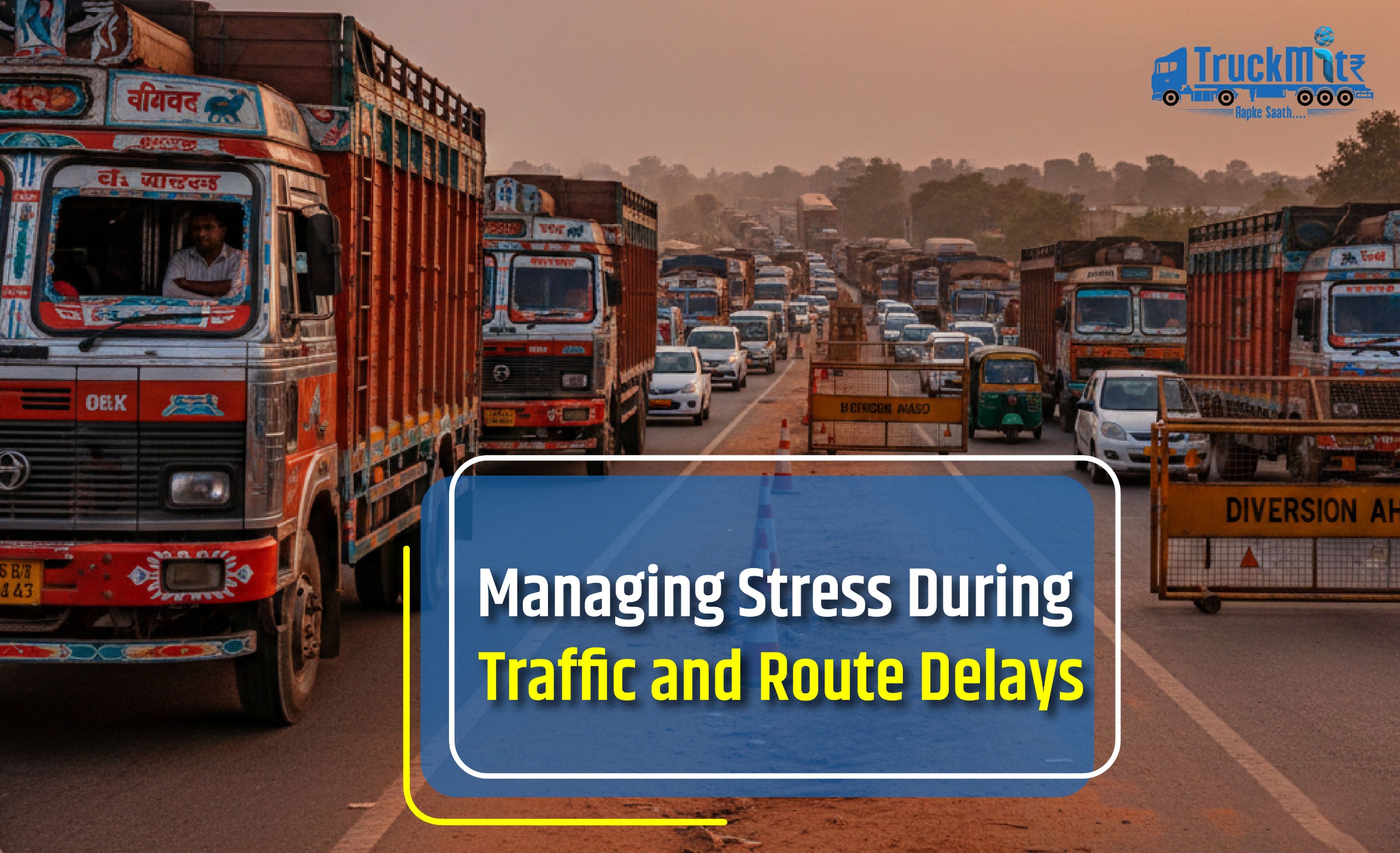
Truck drivers experience traffic congestion together with roadway blockages, which occur during their daily truck operations. Unpredictable events, which include roadwork and accidents and weather conditions and traffic congestion, cause travel plans to become disrupted. Delivery deadlines create extra pressure because these delays bring both frustration and stress to the situation.
Traffic stress causes drivers to experience two negative effects because it leads to bad feelings, which decrease their ability to focus while increasing their fatigue level. Continuous stress creates long-term health problems, which result in driving performance decline. The capability to handle stress during these times becomes vital for both operational safety and individual health.
The blog shares effective techniques that truck drivers can use to manage their stress during traffic situations and route delays.
The first step for stress management requires people to recognize that some delays exist that they cannot control. Traffic jams and roadblocks and weather problems can happen to even the best drivers. The road will not become clear because getting angry or worried about it will only increase my tension and tiredness. Drivers who understand delays as regular road incidents can maintain their calmness while their minds work better.
People who maintain a calm mindset will make better decisions when they face tough situations.
The organization of tasks will decrease the stress that arises from unanticipated hold-ups during operations. Drivers can assess current road conditions and traffic developments and weather information before they begin their journey. Drivers who know about trouble spots that might arise during their trip can select better travel paths. Drivers who keep other streets in mind use them as backup when their main street becomes unavailable. The complete elimination of delays does not occur through proper planning, yet it enables better time management through reduced unexpected events. Drivers who prepare themselves for driving situations build up their confidence on the road.
Drivers experience increased stress levels because they need to reach their destination within a specific timeframe. The pressure on people increases when they experience delays. The practice of planning trips requires drivers to build in extra time between their planned routes. Drivers who expect traffic interruptions will experience less stress when their vehicles encounter unexpected delays. The availability of extra time enables drivers to maintain their composure while driving because it decreases their anxiety. Drivers maintain safer driving practices because they have enough time to reach their destinations without needing to speed or drive aggressively.
Safe driving methods required drivers to maintain their composure while managing their furious emotions.
Traffic jams create driver frustration because vehicles move at a slow speed, which creates road blockages. The only effect of anger on people is to increase their stress levels while making it difficult for them to concentrate. Frustration control requires people to take deep breaths while they bring themselves into a state of calmness. Peaceful music and fresh air from open windows provide people with mind relaxation.
A calm driver handles delays better and stays safer on the road.
People can use music and podcasts and audio stories to decrease their stress levels when they experience extended traffic delays. Soft music creates a calming effect, which relaxes both the body and the mind. Interesting audio programs can keep the brain busy and prevent boredom.
This makes time pass faster and reduces frustration. People should keep the volume at a level that allows them to hear both horns and road sounds to ensure their safety.
Drivers can stop their vehicles for brief rests when traffic reaches a complete halt or moves at an extremely slow pace until it becomes safe to resume driving. Taking an outdoor break from the truck for several minutes, including body stretches and minor walking activities, helps people to relax.
Physical movement helps blood circulation while decreasing muscle tightness. The body receives refreshment from these brief intervals, which also lift the person's spirits. The intervals between work help drivers to maintain their concentration during their time spent in traffic.
Deep breathing serves as an efficient technique for stress relief that is easy to practice. The breathing exercise involves drivers who experience frustration inhaling through their nose and maintaining their breath for several seconds before exhaling through their mouth. Muscle relaxation and mental calmness emerge after performing this exercise multiple times. Deep breathing exercises help to decrease heart rate while simultaneously decreasing feelings of anger. The driver can practice this method from their seat without the need to move.
Hydration and light snack consumption constitute the essential requirements for human well-being. The experience of stress intensifies when people face both hunger and dehydration. Drivers need to establish a routine of drinking water while keeping nutritious snacks, which include fruits, nuts, and biscuits, within reach. Water consumption helps the body remain hydrated, which supports mental focus and physical energy. Light snack consumption helps people sustain their energy while preventing feelings of annoyance. Sugar and caffeine restriction serves as an effective strategy to maintain emotional equilibrium. Proper hydration and nutrition support better stress control.
The first sentence explains that drivers experience the first temptation to speed when they reach open roads after their waiting time. The first sentence explains that unsafe driving results from this behavior. The first sentence explains that safe driving should be the main priority instead of trying to recover lost time. The first sentence explains that following speed limits together with safe driving practices leads to decreased danger. The first sentence explains that safety needs to take priority over everything, which includes fast travel. The first sentence states that drivers who remain calm experience decreased crash rates and lower anxiety levels.
The process of maintaining clear communication requires contact with dispatchers and clients. The first sentence explains that dispatchers and transport companies and clients need to receive updates when operational delays occur. The first sentence explains that informing them about traffic problems helps decrease their stress levels. The first sentence states that delivery expectations need to be modified through effective communication. The first sentence explains that all companies acknowledge that road conditions create unavoidable delays. The first sentence explains that delivering updates to others creates trust while decreasing their anxiety. _
The system uses contemporary technological tools to deliver immediate information updates. Modern technology can help manage traffic stress. The combination of navigation applications and trucking platforms enables users to receive real-time traffic information and discover quicker travel paths. The first sentence states that drivers who understand the current situation will experience better mental preparation. The first sentence states that drivers need to block their routes through busy areas that they want to avoid. The first sentence states that using these tools results in better journey experiences, which become easier to forecast.
The existence of a positive attitude during stressful times brings about significant benefits. Drivers should direct their attention toward maintaining safe conditions while remaining calm after experiencing time loss. People who delay their activities should remember that delays will come to an end, which helps them deal with their frustration. Positive thinking leads to better emotional states and improved psychological well-being. The experience of travel becomes better through this method.
People who maintain good health conditions develop better ways to handle stressful situations. Drivers who maintain proper sleeping habits and nutritional intake and hydration and physical activity restrictions become more active and composed. People with medical conditions experience heightened levels of annoyance together with extreme exhaustion. Even minimal daily exercise routines help people develop better abilities to handle stress. Drivers who maintain their health status show a better ability to handle traffic challenges.
Truck drivers will always experience traffic jams and delays through their work. The situation becomes stressful, but people can manage their stress through proper techniques. Drivers who want to control their stress should practice deep breathing while listening to calming music, taking breaks, and planning their trips with enough time between activities to reach their destinations safely.
The process of dealing with delays requires three elements, which include clear communication, proper nutrition, and a positive human attitude.
TruckMitr recognizes the daily difficulties that drivers encounter throughout their workday. Our mission is to provide drivers with advanced tools and crucial data and effective solutions that will enhance their travel experience while reducing their work-related stress.

Elevating The Indian Trucking Ecosystem
Read More
How To Collaborate With Us And A List Of All Services We Cater To
Read More
Driving India Forward How Truck Drivers Power the Economy
Read More
From Rugged Beginnings to Digital Frontiers The Tata Motors Legacy in Indian Trucking
Read More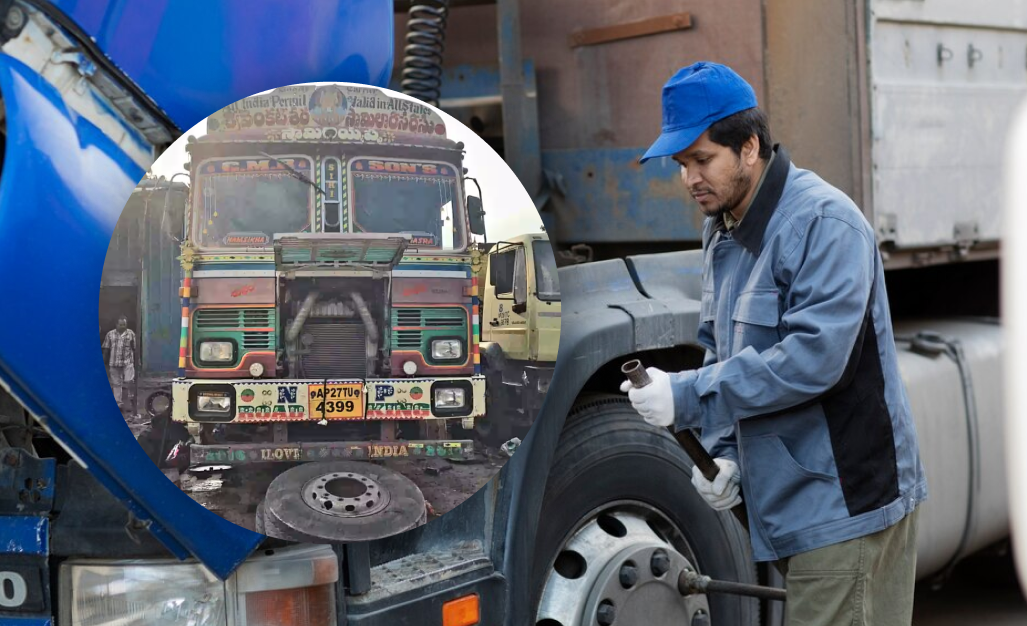
On-the-Go Repairs and Mobile Truck Maintenance Services in India
Read More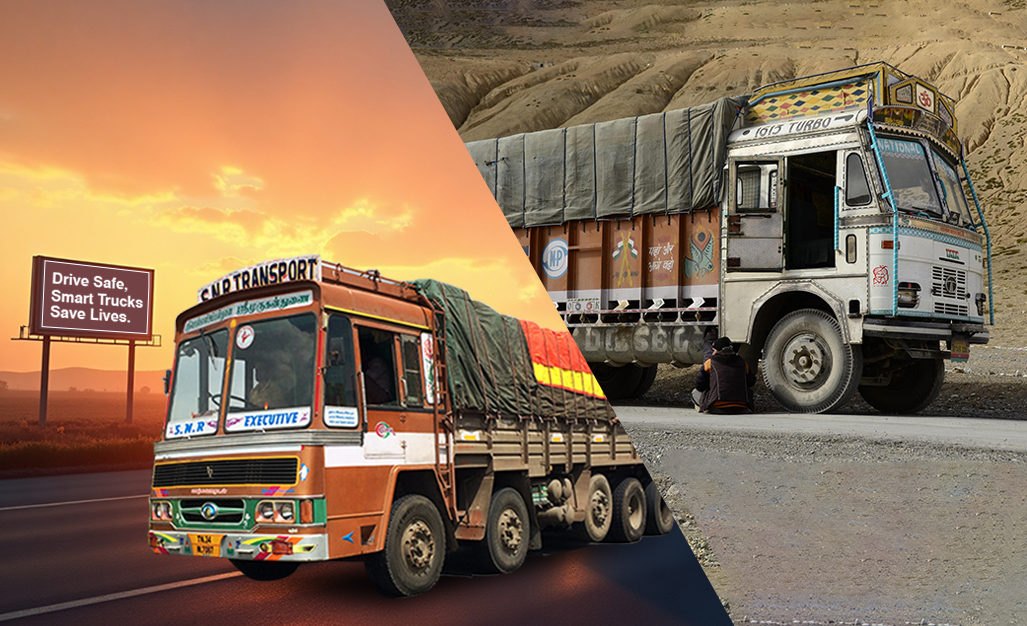
Safer Roads Ahead The Transformation of India’s Trucking Industry
Read More
The Future of Truck Driving A Road to Opportunity
Read More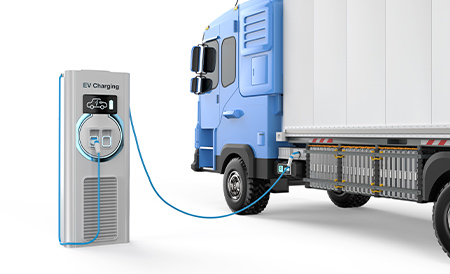
How Electric Trucks Can Power Up Your Business A Look at the Benefits
Read More
Top 10 Health Tips for Long-Haul Truck Drivers
Read More
Tata Motors Gears Up for Digital Transformation with Fleet Verse
Read More
Tata Motors Reports Strong Sales Performance in May 2024
Read More
The Importance of Mental Health for Truck Drivers A Critical Look
Read More
The Rising Role of Women in Truck Driving in India
Read More
Emergency Preparedness for Truck Drivers
Read More
Adapting to Changing Weather Patterns: Challenges for Indian Trucking
Read More
Revolutionizing Trucking with Blockchain
Read More
Truck Customisation Trends: Merging Functionality with Personal Style
Read More
Celebrating Festivals on the Road: How Truckers Stay Connected to Home
Read More
Rural Empowerment Through Better Trucking Networks
Read More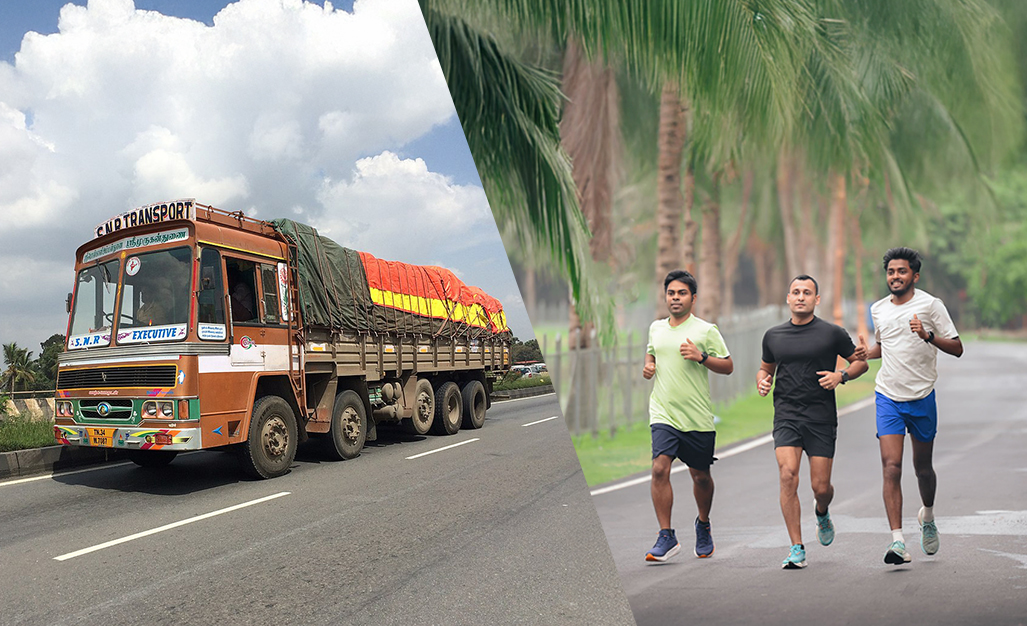
Health on the Go: Wellness Solutions for Long-Haul Drivers
Read More
How Trucking Keeps India’s Small Businesses Moving Forward
Read More
The Influence of Bollywood on Indian Trucking Culture
Read More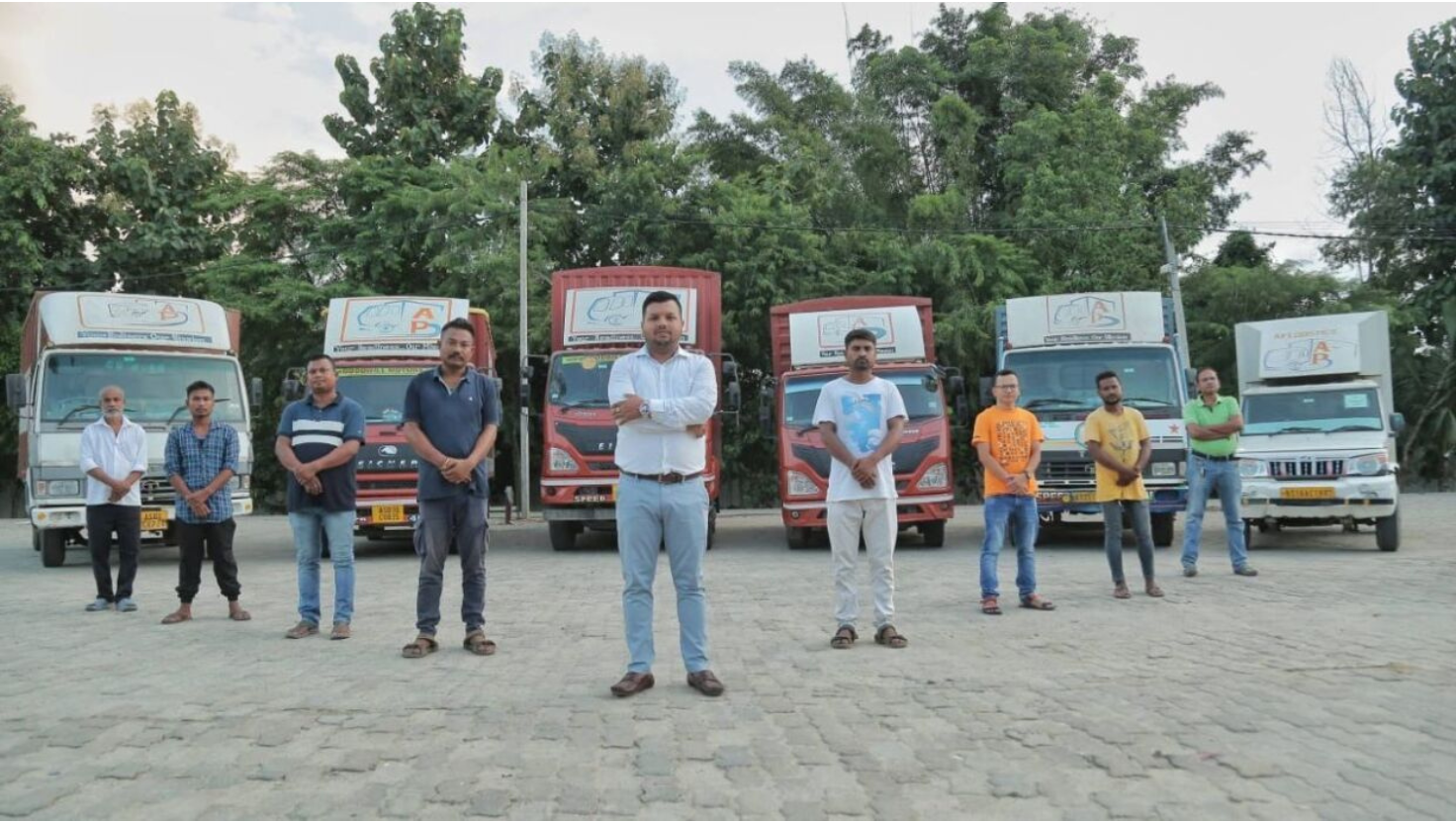
Youth and Trucking: Inspiring the Next Generation of Drivers
Read More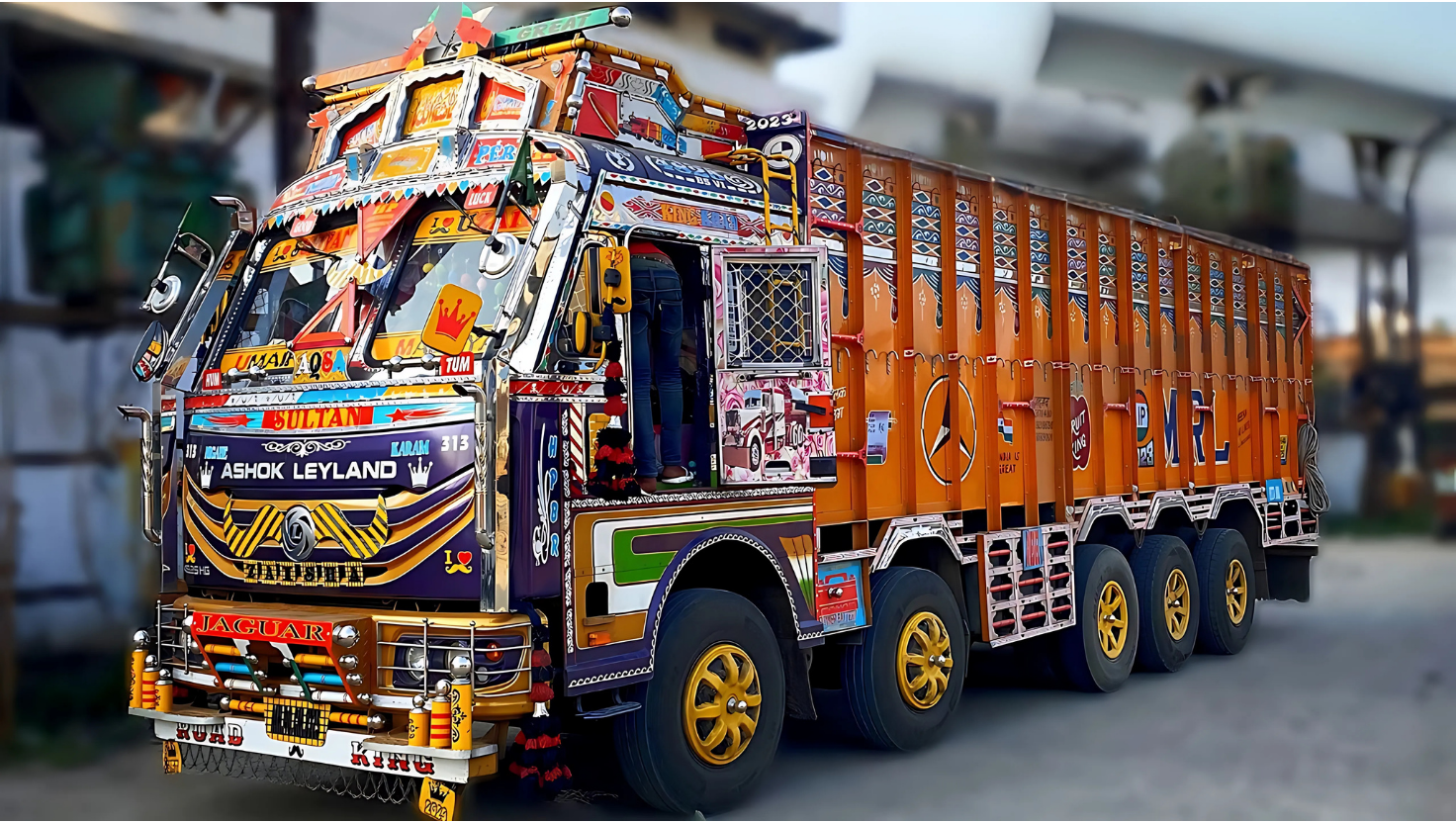
Innovative Truck Financing Options: Making Ownership Accessible
Read More
The Role of AI in Streamlining Fleet Management
Read More
Trucking Beyond Cargo: Supporting Disaster Relief and Humanitarian Efforts
Read More
Life on the Highways: Stories of Resilience from Indian Truck Drivers
Read More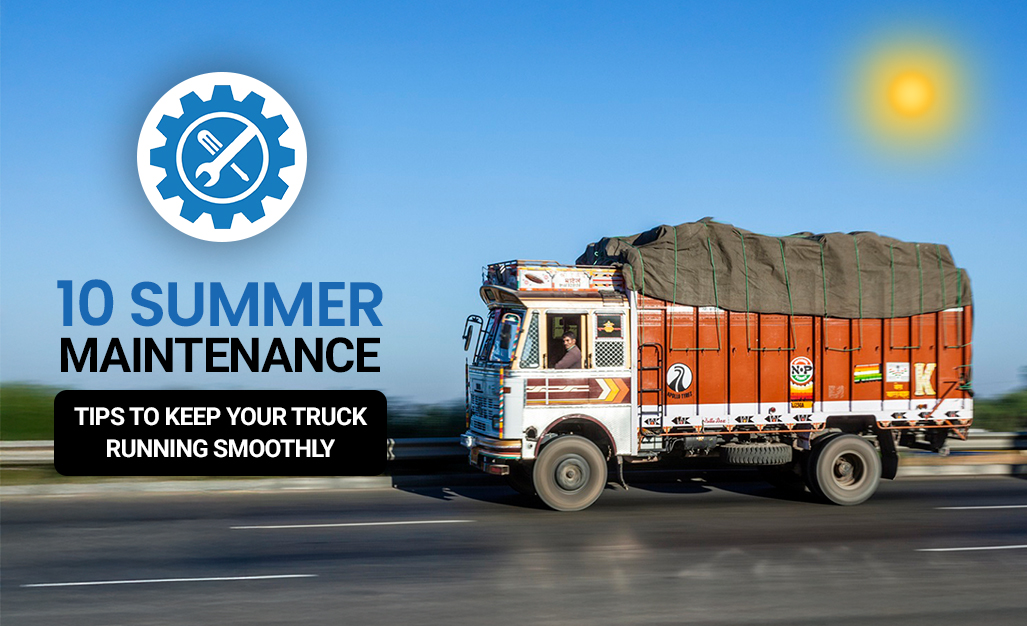
10 Summer Maintenance Tips to Keep Your Truck Running Smoothly
Read More
The Importance of Regular Tyre Checks for Safety and Fuel Efficiency
Read More
Common Truck Breakdowns and How to Prevent Them
Read More
Understanding Truck Warning Lights: What They Mean
Read More
Future of Trucking in India: Trends to Watch in 2025 & Beyond
Read More
How to Prepare Your Truck for the Monsoon Season?
Read More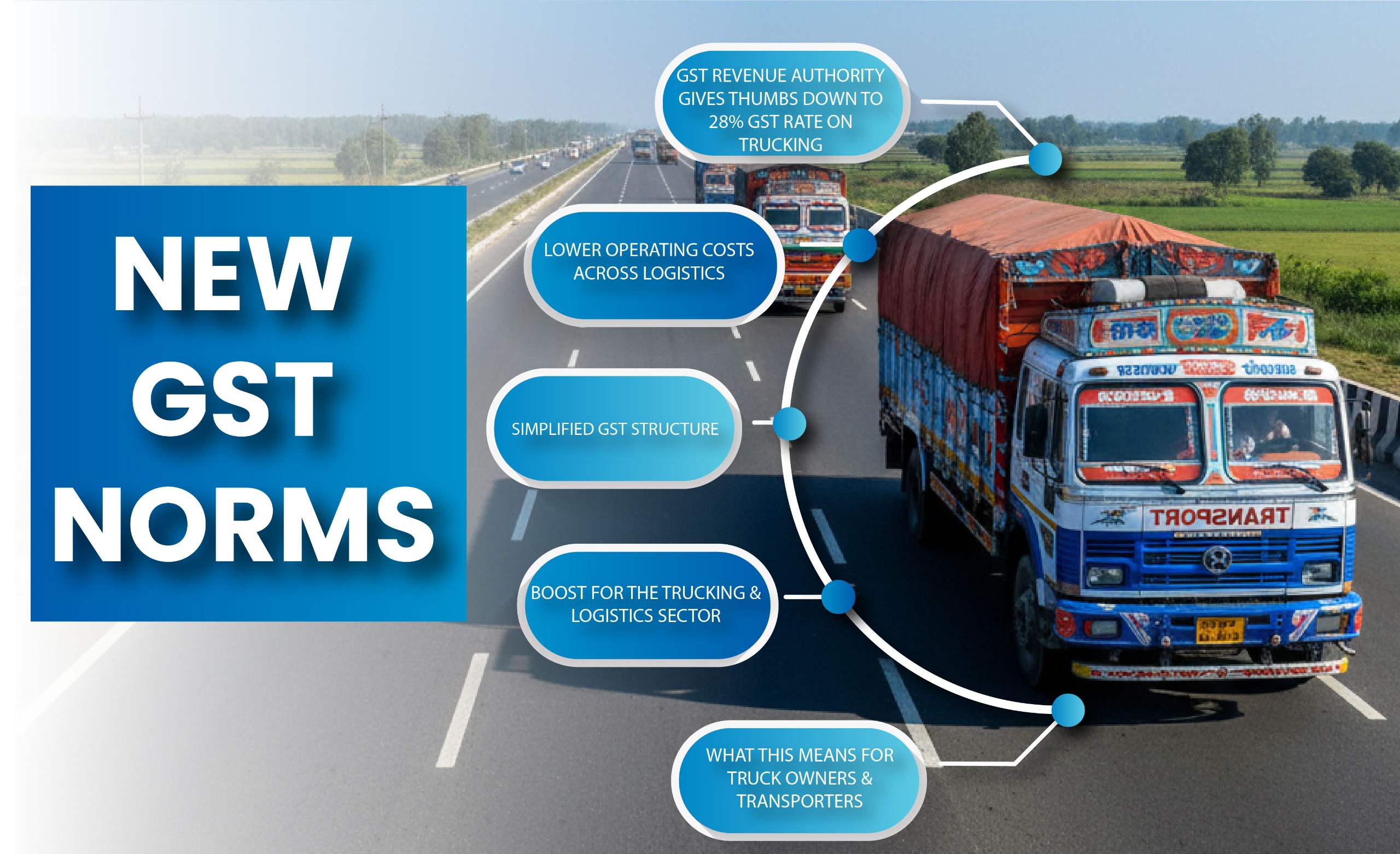
GST Reforms 2025
Read More
10 Smart Fuel-Saving Tips for Everyday Trucking
Read More
Why Preventive Maintenance Saves Money
Read More
Driving Tips for Highway Safety
Read More
Common Truck Maintenance Mistakes
Read More
Importance Of Good Sleep
Read More
LNG Trucks and LNG Stations in India
Read More
Driving a Greener Future
Read More
Future Projections of Driving Training Schools in India’s Growing Trucking Industry
Read More
Impact of AI on the Trucking Industry
Read More
India’s Growing Truck Driver Shortage
Read More
Practical Tips to Maintain Comfort Inside the Truck Cabin
Read More
Managing Stress During Traffic and Route Delays
Read More
Typical End-of-Day Practices After Completing a Driving Shift
Read More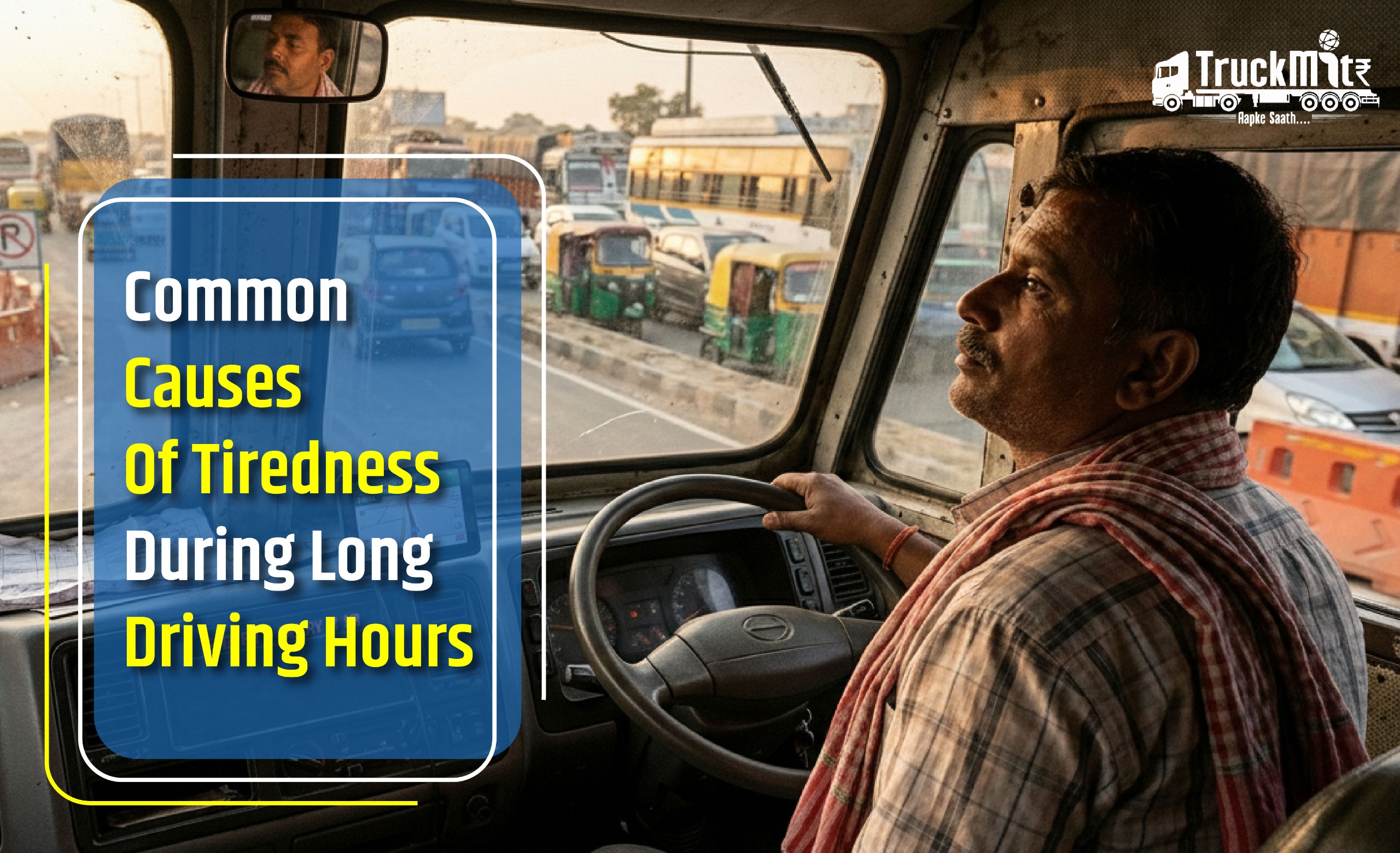
Common Causes of Tiredness During Long Driving Hours
Read More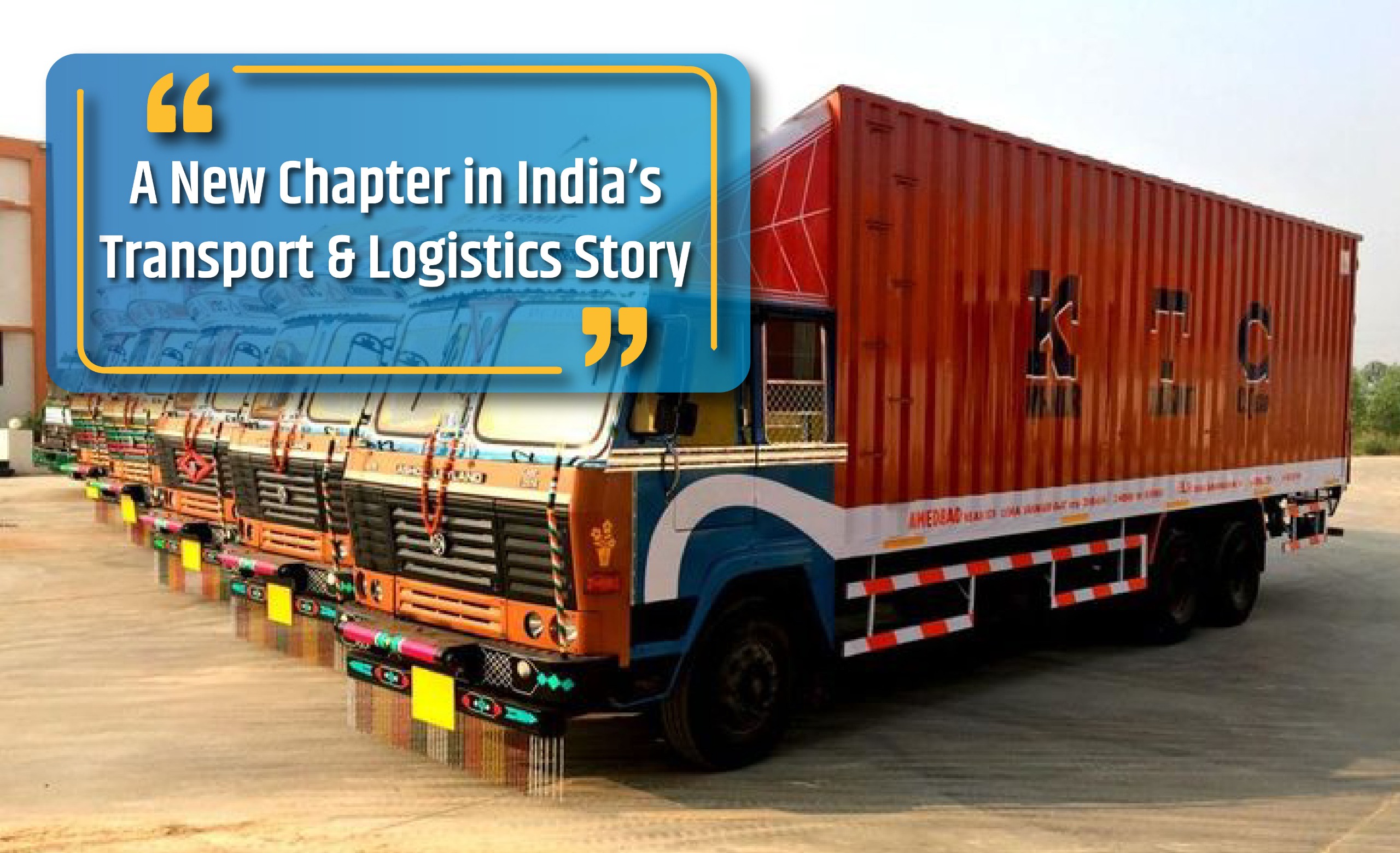
A New Chapter in India’s Transport and Logistics Story
Read More
Impact of AI on Career Growth of Truck Drivers
Read More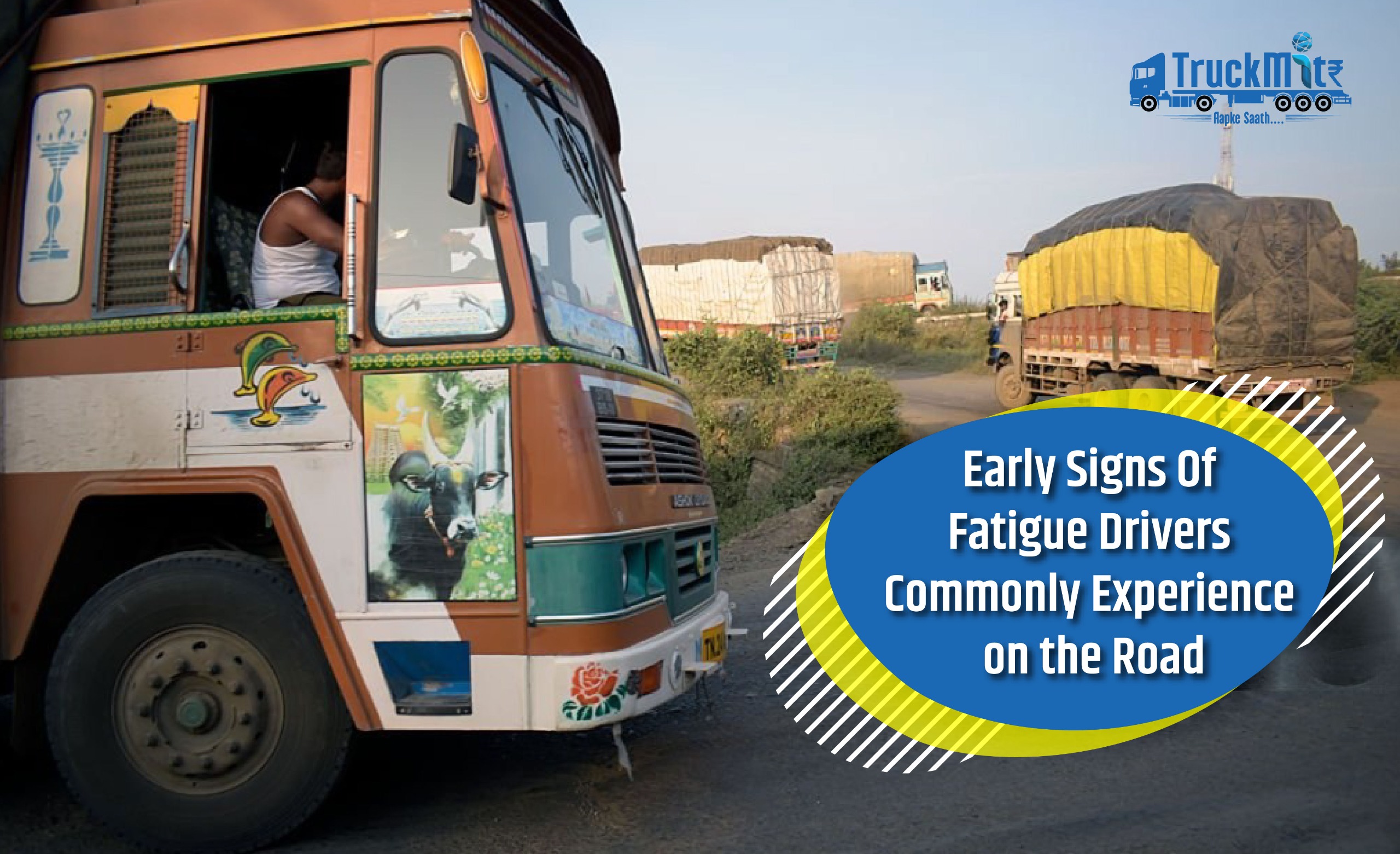
Early Signs of Fatigue Drivers Commonly Experience on the Road
Read More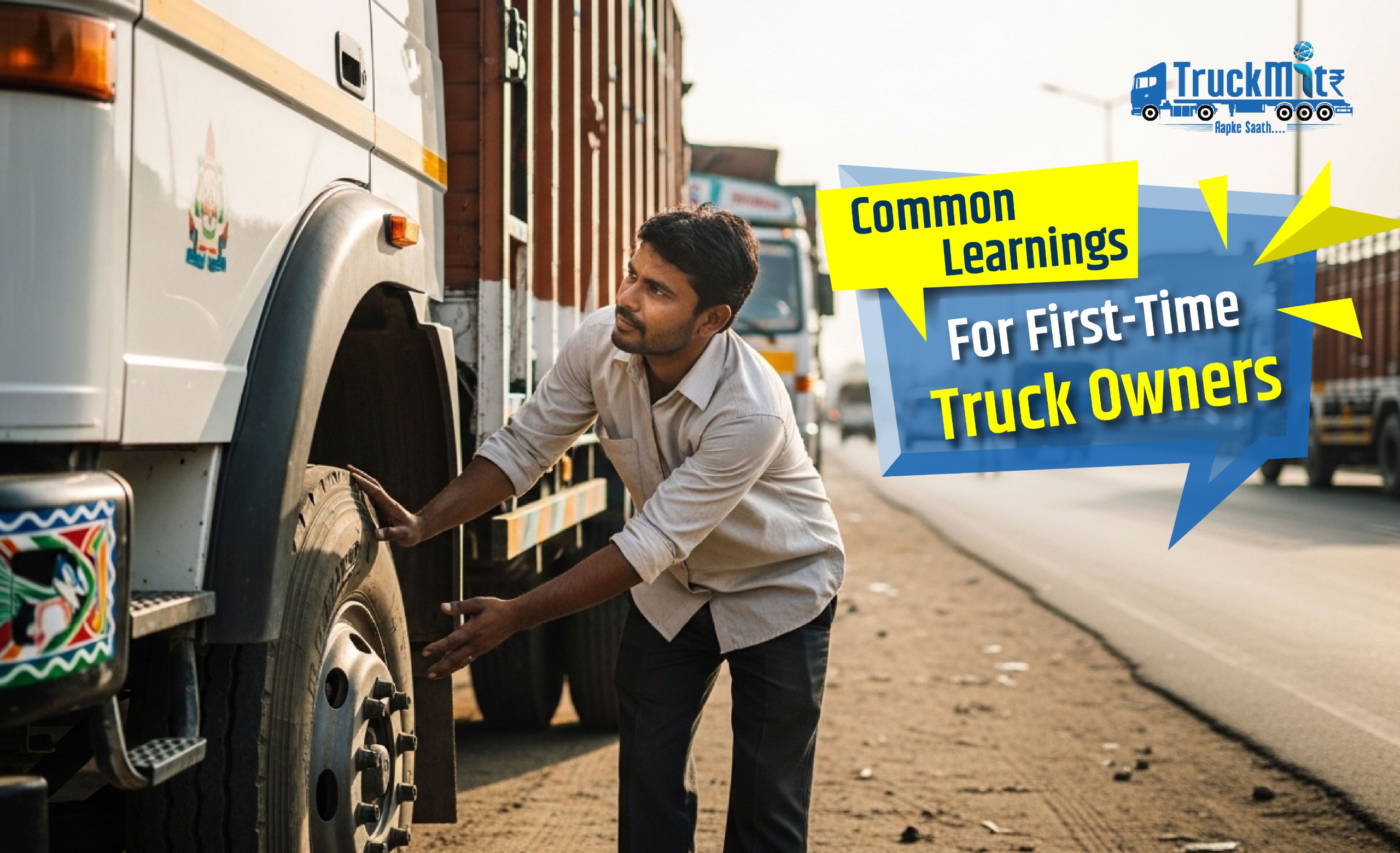
Common Learnings for First-Time Truck Owners
Read More