×
×
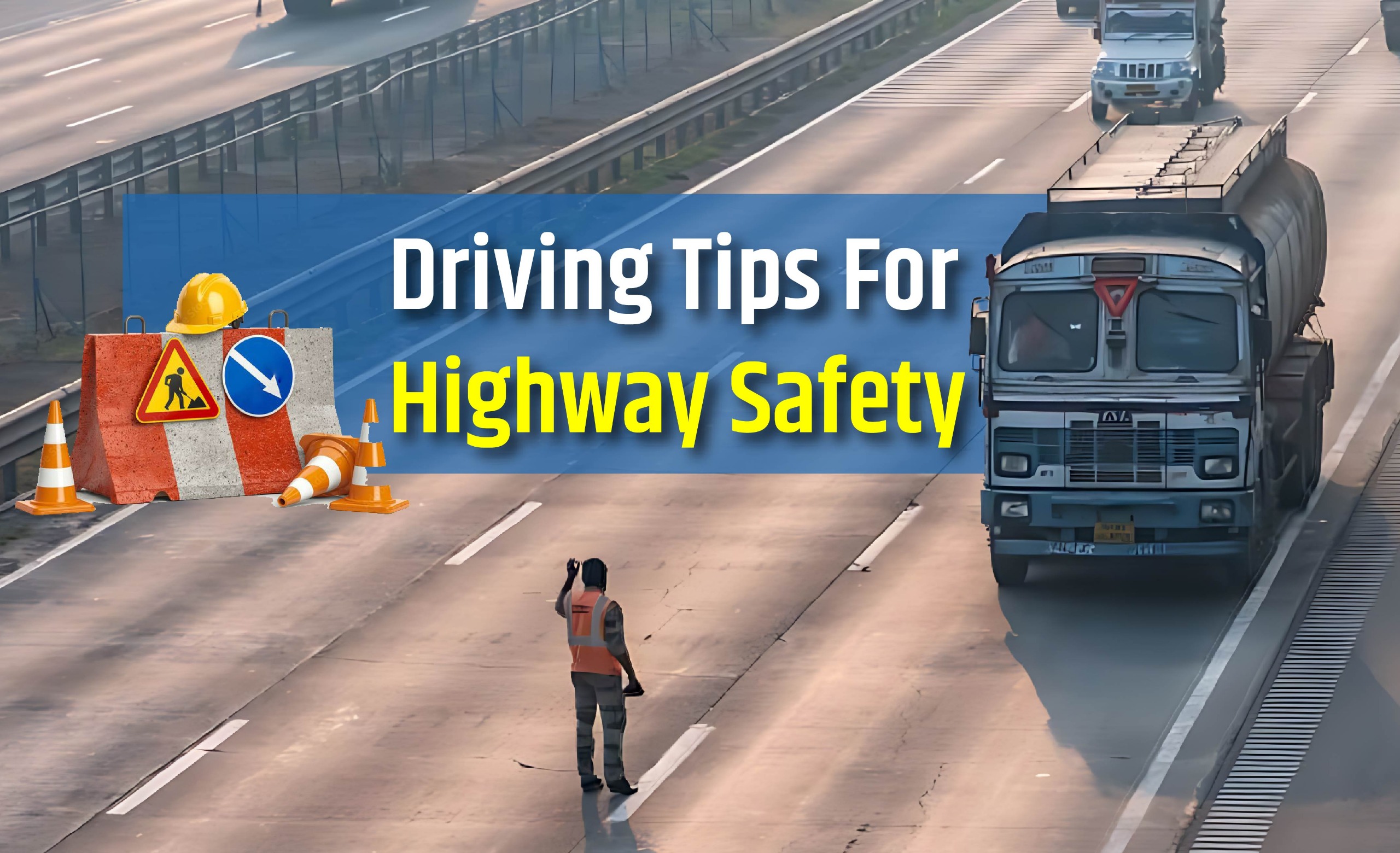
Highway driving is a part of the daily life for most truck drivers in India. Long stretches of open roads present an advantage in terms of getting goods moving more quickly but also carry risks, which drivers need to combat daily, for ex: High speeds, a mixture of traffic types, unpredictable weather patterns, and driver fatigue.
Staying safe on highways is about the formation of simple habits to ensure safety to the driver, the vehicle, and all other people on the road. These everyday safety tips are intended to be practical and easy to follow, especially to the drivers that are on the road for long hours.
Safety begins even before the truck begins to move on the highway. Before starting the engine, drivers must take a few minutes to check the basics.
Tyres should be checked for pressure and visible damage. Lights, indicators, and mirrors must be functioning properly. Brakes should be responsive and the fluid level needs to be checked periodically. These checks do not take much time but avoids breakdowns and accidents on high-speed roads.
It is also important to have mental readiness. Knowing the way beforehand helps drivers avoid sudden changes of lane. When drivers are confident about where they are heading, they can focus more on driving safely.
Highways may imply faster driving, but the speed should always be under control. Trucks are a heavy vehicle and require more distance and time to slow down. Driving faster than the speed limits lowers reaction time and makes accidents more serious.
Sustaining a constant speed is safer and easier to drive. On the highways, smooth driving is safer driving.
Drivers also need to vary their speed according to the conditions. Rain, fog, dust, poor lighting or damaged road surfaces require taking extra caution. Slowing down in such situations is not a weakness. It is a sign of an informed driver.
One of the most common causes of highway accidents is tailgating. Trucks require longer stopping distance than smaller vehicles.
Safe distance provides drivers with time to brake smoothly and avoid collisions. As a general practice, drivers should be driving with enough distance to at least count three seconds between their truck and the vehicle in front of them. This gap should be more during harsh weather, or at night.
Maintaining distance also helps to decrease the stress and better see the road ahead.
Highway traffic moves at a fast rate and communication between drivers becomes critical. Mirrors and indicators are very essential tools for this communication.
Drivers must check mirrors often and watch for blind spots on both sides of the truck. Before changing lanes or merging, the use of a quick head check, and use of the mirrors, helps ensure that no vehicle is hidden from view.
Indicators should always be made use of well in advance. Suddenly changing lane without giving/indicating to the other drivers causes confusion among them and leads to accidents. Predictable driving is what makes everyone safer.
Long highway driving means boredom. Fatigue builds up silently and decreases alertness, reaction time, and judgement. Driving while tired can be as dangerous as being drunk while driving.
Taking breaks regularly are a must. Short breaks every few hours to stretch, hydrate and rest are an effective way for the drivers to stay focused. Taking a short break will help the mind and body get some refreshment even for a period.
It is important to listen to the body. If signs of drowsiness present in heavy eyes or inability to concentrate, then stopping to rest should be a priority.
Traffic jams, diversions, wild drivers, or delays, these are part of highway life. Losing patience in such situations tends to dangerous decisions such as overtaking or brake suddenly.
Staying calm helps drivers make safer choices. Defensive driving, in which drivers expect other drivers to make mistakes and react calmly, reduces the number of accidents. No transport is worth the risking of a life.
Weather conditions change rapidly in highways. Rain decreases grip, fog impacts visibility and strong winds can affect stability of vehicles. Drivers should be willing to adjust.
Using headlights correctly, slowing down and easing up are some easy steps to take to increase safety during bad weather. In extreme conditions waiting it out may be the safest option.
TruckMitr plays an important part in the construction of that system by connecting truck drivers with verified transporters and fleet owners, which reduces the job uncertainty and stress. When drivers are aware of their routes, job terms, and employers, they can focus more on safe driving.
TruckMitr also ensures safety through skill development and training content. Drivers gain access to learning resources in relation to road safety issues, fuel efficiency, and professional driving practices. This knowledge helps drivers to make better decisions while driving on highways and helps to improve long-term driving habits.
Highway safety can be ensured by checking the vehicle before staring the trip, maintaining speed, keeping distance, resting regularly, and staying calm and is not something that is difficult to do but also needs discipline.

Elevating The Indian Trucking Ecosystem
Read More
How To Collaborate With Us And A List Of All Services We Cater To
Read More
Driving India Forward How Truck Drivers Power the Economy
Read More
From Rugged Beginnings to Digital Frontiers The Tata Motors Legacy in Indian Trucking
Read More
On-the-Go Repairs and Mobile Truck Maintenance Services in India
Read More
Safer Roads Ahead The Transformation of India’s Trucking Industry
Read More
The Future of Truck Driving A Road to Opportunity
Read More
How Electric Trucks Can Power Up Your Business A Look at the Benefits
Read More
Top 10 Health Tips for Long-Haul Truck Drivers
Read More
Tata Motors Gears Up for Digital Transformation with Fleet Verse
Read More
Tata Motors Reports Strong Sales Performance in May 2024
Read More
The Importance of Mental Health for Truck Drivers A Critical Look
Read More
The Rising Role of Women in Truck Driving in India
Read More
Emergency Preparedness for Truck Drivers
Read More
Adapting to Changing Weather Patterns: Challenges for Indian Trucking
Read More
Revolutionizing Trucking with Blockchain
Read More
Truck Customisation Trends: Merging Functionality with Personal Style
Read More
Celebrating Festivals on the Road: How Truckers Stay Connected to Home
Read More
Rural Empowerment Through Better Trucking Networks
Read More
Health on the Go: Wellness Solutions for Long-Haul Drivers
Read More
How Trucking Keeps India’s Small Businesses Moving Forward
Read More
The Influence of Bollywood on Indian Trucking Culture
Read More
Youth and Trucking: Inspiring the Next Generation of Drivers
Read More
Innovative Truck Financing Options: Making Ownership Accessible
Read More
The Role of AI in Streamlining Fleet Management
Read More
Trucking Beyond Cargo: Supporting Disaster Relief and Humanitarian Efforts
Read More
Life on the Highways: Stories of Resilience from Indian Truck Drivers
Read More
10 Summer Maintenance Tips to Keep Your Truck Running Smoothly
Read More
The Importance of Regular Tyre Checks for Safety and Fuel Efficiency
Read More
Common Truck Breakdowns and How to Prevent Them
Read More
Understanding Truck Warning Lights: What They Mean
Read More
Future of Trucking in India: Trends to Watch in 2025 & Beyond
Read More
How to Prepare Your Truck for the Monsoon Season?
Read More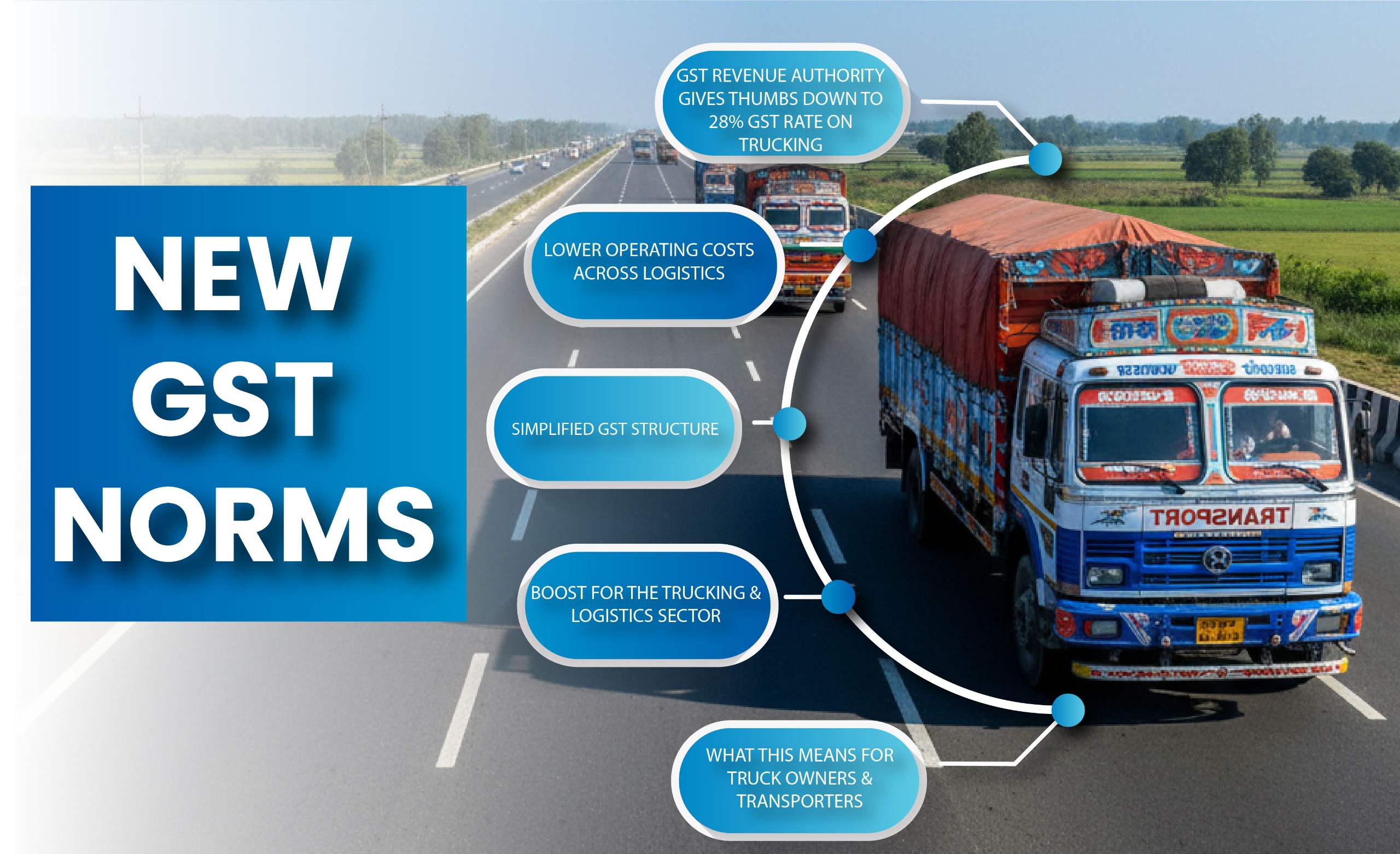
GST Reforms 2025
Read More
10 Smart Fuel-Saving Tips for Everyday Trucking
Read More
Why Preventive Maintenance Saves Money
Read More
Driving Tips for Highway Safety
Read More
Common Truck Maintenance Mistakes
Read More
Importance Of Good Sleep
Read More
LNG Trucks and LNG Stations in India
Read More
Driving a Greener Future
Read More
Future Projections of Driving Training Schools in India’s Growing Trucking Industry
Read More
Impact of AI on the Trucking Industry
Read More
India’s Growing Truck Driver Shortage
Read More
Practical Tips to Maintain Comfort Inside the Truck Cabin
Read More
Managing Stress During Traffic and Route Delays
Read More
Typical End-of-Day Practices After Completing a Driving Shift
Read More
Common Causes of Tiredness During Long Driving Hours
Read More
A New Chapter in India’s Transport and Logistics Story
Read More
Impact of AI on Career Growth of Truck Drivers
Read More
Early Signs of Fatigue Drivers Commonly Experience on the Road
Read More
Common Learnings for First-Time Truck Owners
Read More