×
×

The job of driving a truck for extended periods proves to be challenging. Truck drivers need to spend extended time on highways while they cope with traffic conditions and changing weather patterns and their need to deliver packages on time and their physical challenges. The main danger that drivers face during their extended driving periods comes from their developing exhaustion. People experience fatigue when their body needs rest. The initial signs of exhaustion begin to appear, but drivers fail to recognize them, and most drivers remain unaware of these signs.
Truck drivers need to know all initial signs that lead to their exhaustion. The early detection of these signals enables accident prevention methods and health protection measures and enhances road safety for all drivers. The article presents the driving fatigue that drivers experience through their most common early fatigue signs, which need urgent attention.
Driver fatigue occurs when a driver reaches a state of physical and mental exhaustion, which decreases their ability to maintain alertness and respond swiftly and make sound choices. Drivers may experience this condition because they drive for extended hours without sufficient sleep while their bodies undergo stress, they consume unhealthy food, they become thirsty, and they experience driving monotony through repeated routes.
Fatigue creates dangerous conditions because it affects both physical body functions and mental capacities. Although a fatigued driver appears to be awake, their body experiences delayed response times and diminished ability to concentrate. The danger of fatigue matches the threat drivers experience when they operate vehicles after consuming alcohol.
Most drivers continue to drive their vehicles when they experience fatigue because they push themselves to do so. They may think, "I will rest after this delivery" or "Just a few more kilometers." The mindset creates dangerous situations for people.
The body uses its early fatigue signals to request resting time. The body shows multiple signs that lead to microsleep and poor judgment and delayed braking and lane drifting when drivers ignore their initial signs. Drivers who receive early warning signals can avoid serious accidents by taking breaks at appropriate times.
The body shows its first signs of fatigue through the process of yawning, which people experience multiple times throughout the day. The body naturally responds to tiredness through yawning because the brain lacks necessary oxygen. A driver who experiences multiple yawning episodes while driving needs to take a break because his body requires sleep.
The body shows its first signs of yawning, which leads to more serious symptoms that cause people to lose their ability to concentrate and become drowsy. Drivers should never ignore continuous yawning, especially during night driving or long stretches of highway.
The first signs of fatigue appear through the presence of heavy eyelids. Drivers experience difficulty staying awake because their eyes refuse to remain open. The driver experiences a decrease in blinking speed, which leads to unexpected eye closures that happen without his knowledge.
The situation becomes extremely hazardous because a single second of eye closure at high speed enables the vehicle to travel uncontrollably for an extended distance. The presence of heavy eyelids serves as a signal that the body requires immediate sleep because it has already reached its exhaustion point.
The body experiences its first effects of fatigue after the mind has already become affected. Drivers experience difficulty maintaining their focus on traffic signs and traffic signals and the vehicles that surround them. They may miss exits, forget route instructions, or fail to notice changes in traffic conditions.
The lack of focus increases the probability of sudden braking incidents and the failure to observe warning signs and the execution of incorrect turns. The beginning of concentration loss serves as an indication that fatigue has begun to develop.
Tired drivers experience difficulties with their reaction times. Tired drivers need extra time to react when sudden events occur, which include vehicles braking in front of them while animals cross their path and when they need to navigate through sharp turns. A driver who takes time to react will create a situation that grows into a full-fledged crash. The driver shows signs of extreme tiredness when they experience delayed reactions and need more time to respond than they usually do.
Fatigue affects both mental and physical aspects. Drivers may experience stiffness in the neck, shoulders, back, or legs during long driving hours. The body experiences muscle stress because sitting in one position for an extended time period stops blood flow through the body.
Drivers who experience physical discomfort will find it harder to handle their vehicle while driving, and they will have trouble maintaining control of their vehicle. The human body shows its need for movement through body stiffness, which requires people to perform both stretching exercises and rest.
The behavior of drivers who experience fatigue will demonstrate lane drifting, which serves as their first warning sign. A tired driver may slowly drift out of their lane without realizing it. This situation occurs when drivers face extended time on straight roads, which creates a dull driving experience.
Drivers should treat lane drifting as an emergency because it serves as an emergency alert system. The condition shows that the driver has lost their ability to maintain vehicle control because of sleep deprivation.
Some drivers experience memory lapses when fatigued. The drivers cannot remember their recent driving distance because they did not see particular places on the road.
People show this behavior because their brain functions at partial capacity and they need to operate their body through automatic processes. The body shows the driver has reached complete exhaustion when it starts to forget all driving activities that happened recently.
The body experiences fatigue, which brings about emotional changes. The drivers experience irritability and impatience together with quick frustration in traffic situations. The drivers experience extra annoyance from small delays that occur because of their own mistakes and the mistakes of other drivers. Decision-making abilities decrease because mood changes occur while stress increases, which creates additional fatigue. Emotional changes, which people commonly ignore, serve as vital indicators that show when someone starts to experience tiredness.
Long hours of driving can lead to headaches and eye strain, especially when driving at night or in bright sunlight. Fatigue causes the eye muscles to work harder, leading to discomfort and blurred vision.
Headaches reduce focus and make driving uncomfortable. When headaches start appearing during a drive, it is often a sign that the body and mind need rest.
The body shows fatigue through sleepiness, which develops after multiple symptoms have already appeared. Drivers experience the urge to sleep when they want to rest their head and stretch their arms, but they do not understand the reason for their desire to pause. Drivers who experience drowsiness face danger because they can suddenly enter microsleep, which causes them to lose consciousness for several seconds without any indication.
Fatigue creates a state of overconfidence, which leads to dangerous behavior among drivers. Some tired drivers may start taking risks, which include speeding, unsafe overtaking, and ignoring rest breaks. People who experience sleep deprivation make poor judgments because they lose their capacity to recognize hazards. Drivers who are sleep-deprived tend to engage in unsafe driving practices, which results in higher accident rates.
Truck drivers experience special obstacles that raise their likelihood of becoming fatigued. Tiredness results from several factors, which include extended work periods, driving at nighttime, demanding delivery time requirements, inadequate sleep, and insufficient sleep areas.
Operating heavy vehicles demands continuous focus because this requires operators to maintain their mental capabilities beyond regular driving duties. Drivers must learn to identify their exhaustion symptoms at the earliest stage possible.
Early fatigue recognition enables drivers to stop working before their conditions reach hazardous levels. Short breaks, which include stretching, walking, drinking water, and eating correct meals, help people regain their focus.
The practice of waiting until a person reaches complete exhaustion presents multiple dangerous outcomes. The process of taking early action results in safer driving for drivers while it enhances their overall performance.
The majority of vehicle crashes occur because drivers do not recognize when they start to feel tired. The first step to preventing something requires people to develop knowledge about it.
Drivers who understand their body signals can improve their planning of rest breaks while driving, and they will drive more safely, and they will protect themselves and other drivers on the road.
The onset of fatigue is a gradual process. The process begins with initial symptoms, which include yawning, heavy eyelids, poor concentration, and body stiffness. People should treat these initial symptoms as warning signs that require immediate attention.
Truck drivers need to identify their fatigue symptoms because this skill protects their safety and health and supports their ongoing professional development. Drivers who understand these symptoms and take appropriate rest breaks will achieve lower accident rates, which will enhance safety throughout their entire journey.

Elevating The Indian Trucking Ecosystem
Read More
How To Collaborate With Us And A List Of All Services We Cater To
Read More
Driving India Forward How Truck Drivers Power the Economy
Read More
From Rugged Beginnings to Digital Frontiers The Tata Motors Legacy in Indian Trucking
Read More
On-the-Go Repairs and Mobile Truck Maintenance Services in India
Read More
Safer Roads Ahead The Transformation of India’s Trucking Industry
Read More
The Future of Truck Driving A Road to Opportunity
Read More
How Electric Trucks Can Power Up Your Business A Look at the Benefits
Read More
Top 10 Health Tips for Long-Haul Truck Drivers
Read More
Tata Motors Gears Up for Digital Transformation with Fleet Verse
Read More
Tata Motors Reports Strong Sales Performance in May 2024
Read More
The Importance of Mental Health for Truck Drivers A Critical Look
Read More
The Rising Role of Women in Truck Driving in India
Read More
Emergency Preparedness for Truck Drivers
Read More
Adapting to Changing Weather Patterns: Challenges for Indian Trucking
Read More
Revolutionizing Trucking with Blockchain
Read More
Truck Customisation Trends: Merging Functionality with Personal Style
Read More
Celebrating Festivals on the Road: How Truckers Stay Connected to Home
Read More
Rural Empowerment Through Better Trucking Networks
Read More
Health on the Go: Wellness Solutions for Long-Haul Drivers
Read More
How Trucking Keeps India’s Small Businesses Moving Forward
Read More
The Influence of Bollywood on Indian Trucking Culture
Read More
Youth and Trucking: Inspiring the Next Generation of Drivers
Read More
Innovative Truck Financing Options: Making Ownership Accessible
Read More
The Role of AI in Streamlining Fleet Management
Read More
Trucking Beyond Cargo: Supporting Disaster Relief and Humanitarian Efforts
Read More
Life on the Highways: Stories of Resilience from Indian Truck Drivers
Read More
10 Summer Maintenance Tips to Keep Your Truck Running Smoothly
Read More
The Importance of Regular Tyre Checks for Safety and Fuel Efficiency
Read More
Common Truck Breakdowns and How to Prevent Them
Read More
Understanding Truck Warning Lights: What They Mean
Read More
Future of Trucking in India: Trends to Watch in 2025 & Beyond
Read More
How to Prepare Your Truck for the Monsoon Season?
Read More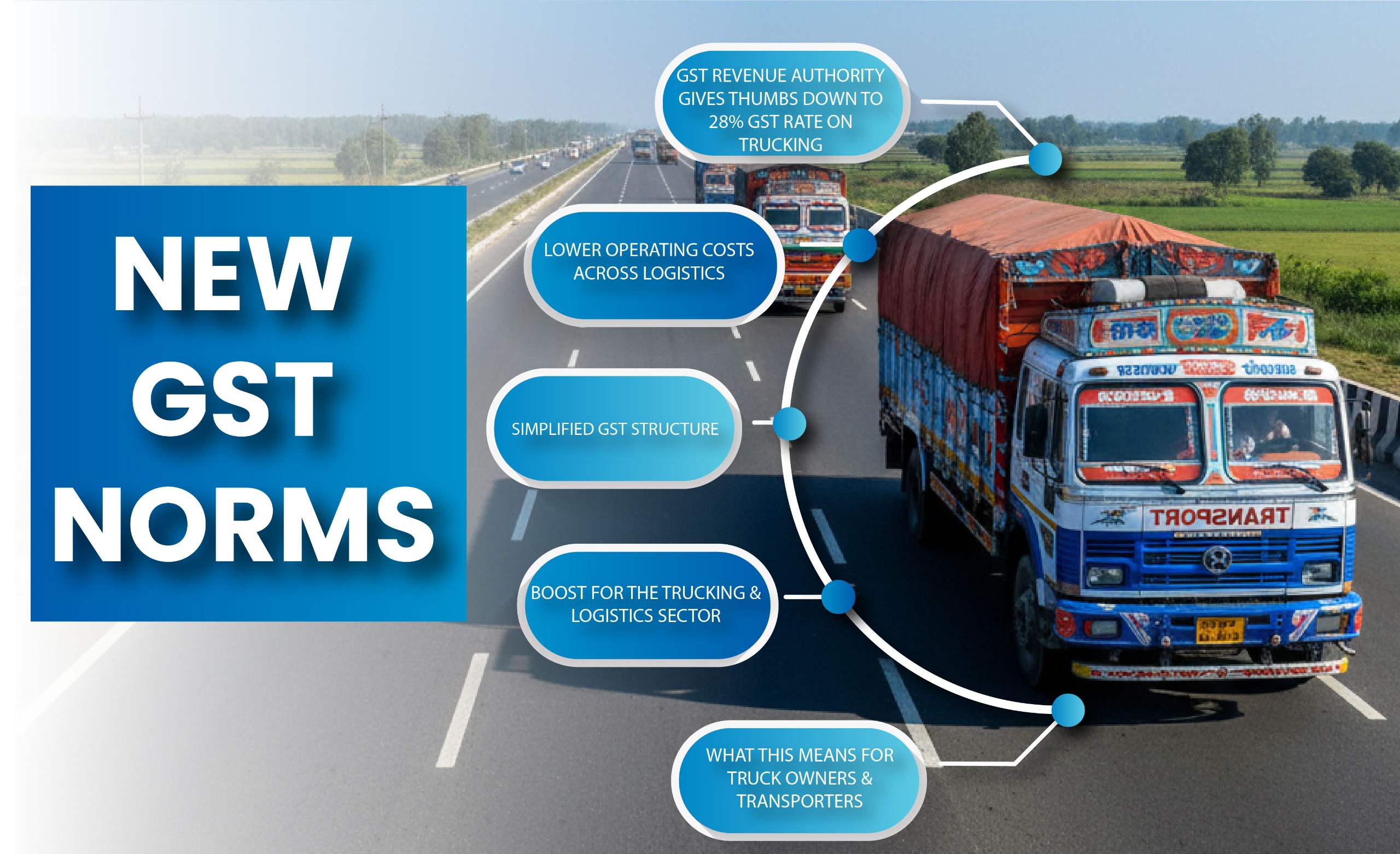
GST Reforms 2025
Read More
10 Smart Fuel-Saving Tips for Everyday Trucking
Read More
Why Preventive Maintenance Saves Money
Read More
Driving Tips for Highway Safety
Read More
Common Truck Maintenance Mistakes
Read More
Importance Of Good Sleep
Read More
LNG Trucks and LNG Stations in India
Read More
Driving a Greener Future
Read More
Future Projections of Driving Training Schools in India’s Growing Trucking Industry
Read More
Impact of AI on the Trucking Industry
Read More
India’s Growing Truck Driver Shortage
Read More
Practical Tips to Maintain Comfort Inside the Truck Cabin
Read More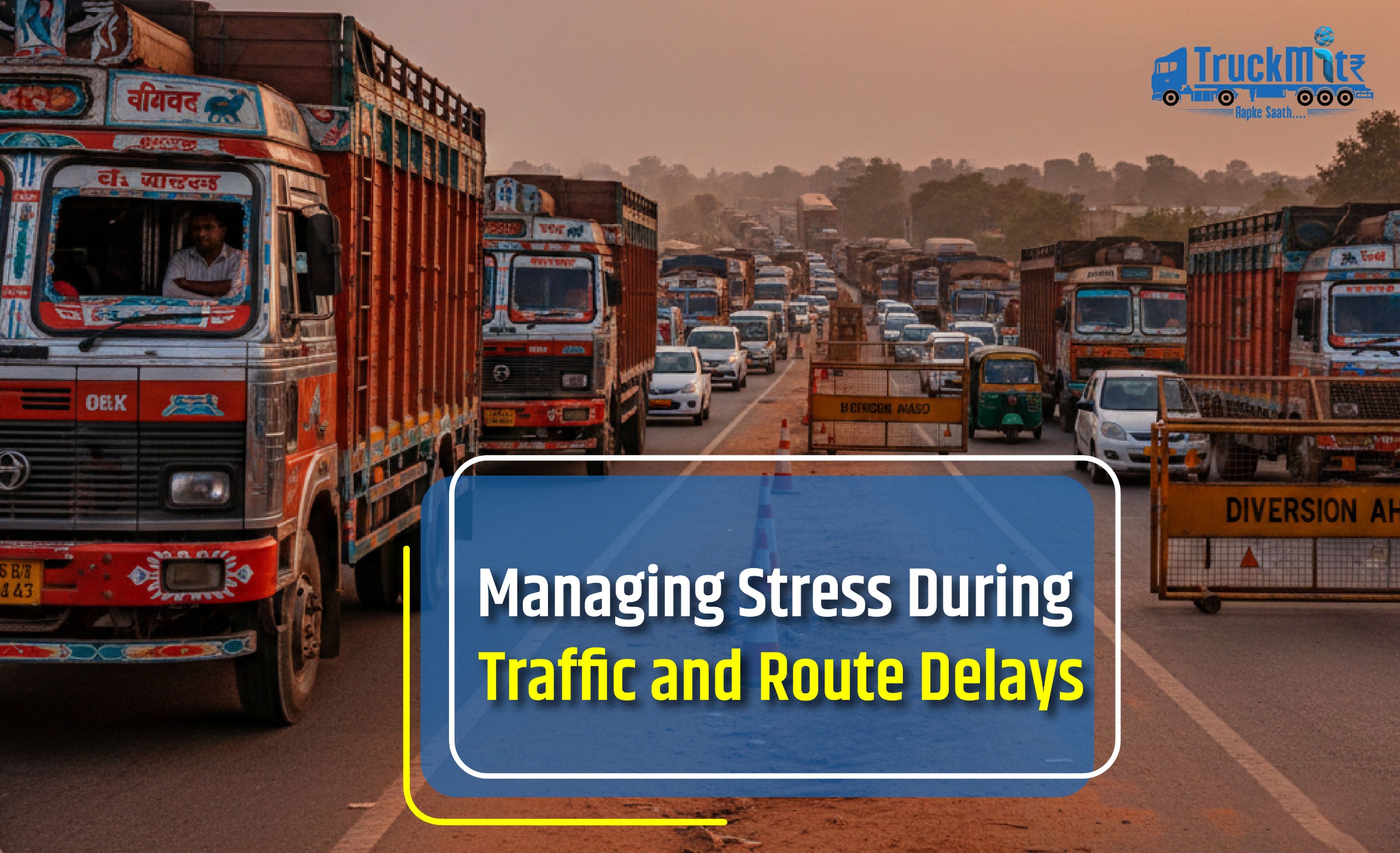
Managing Stress During Traffic and Route Delays
Read More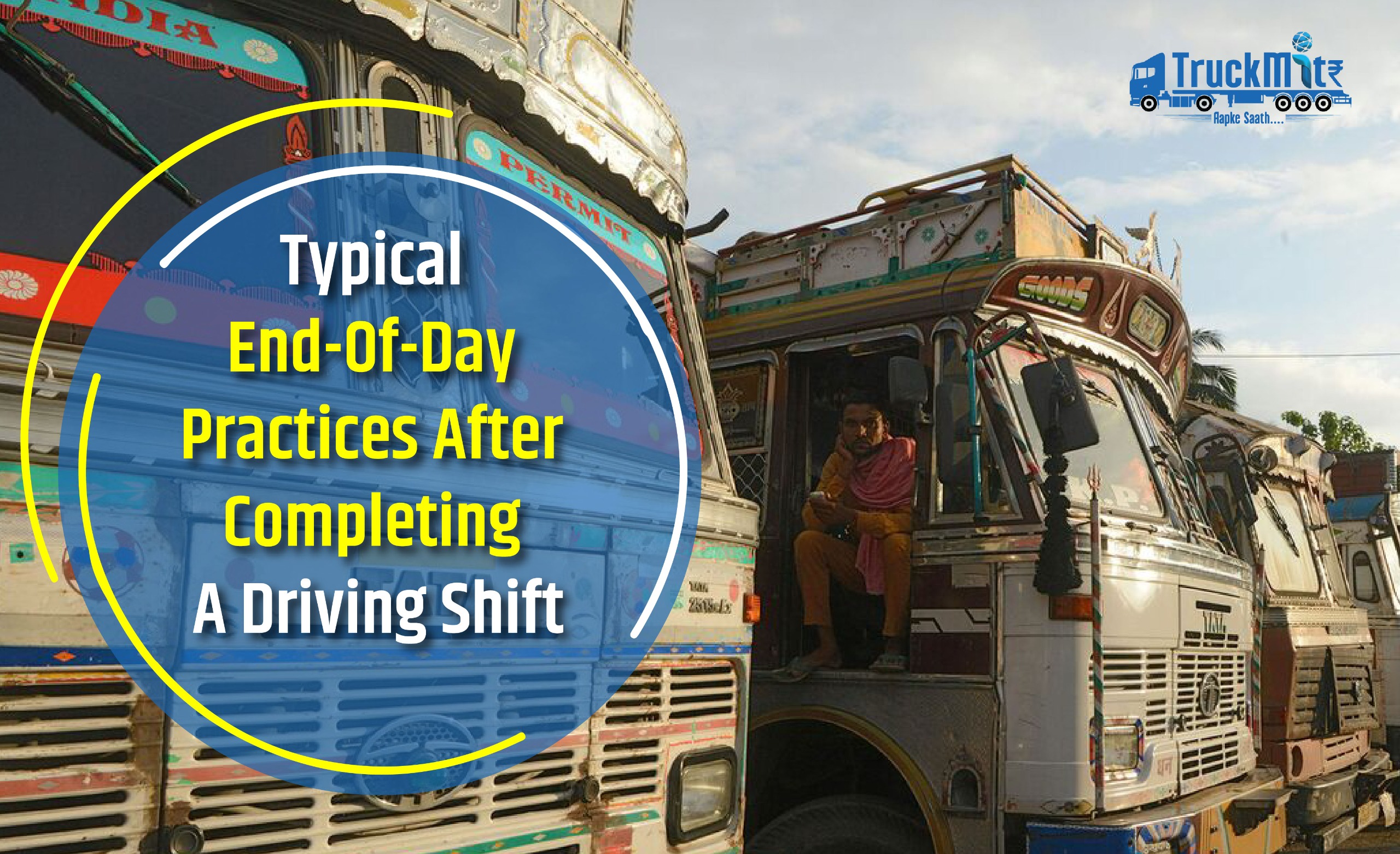
Typical End-of-Day Practices After Completing a Driving Shift
Read More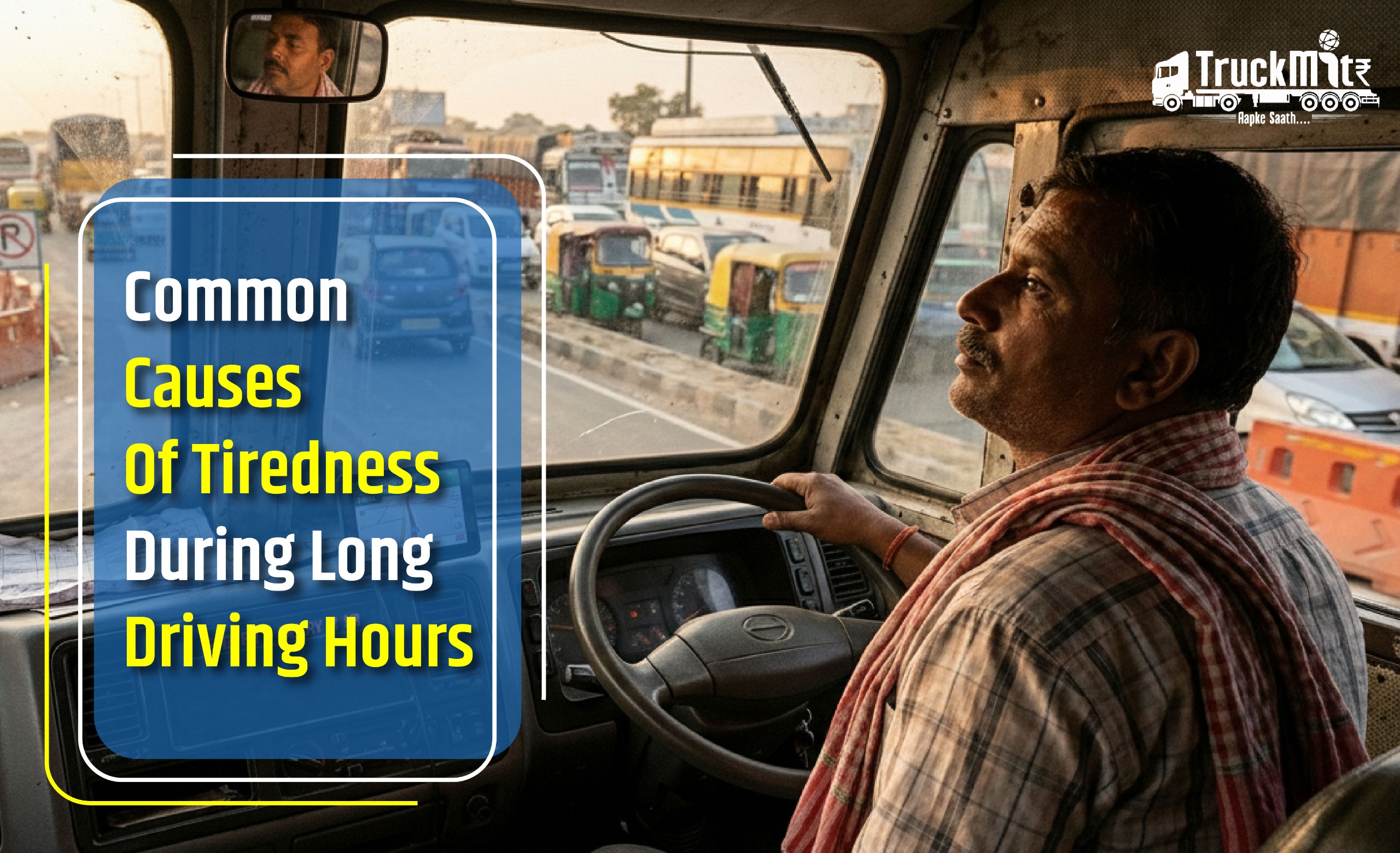
Common Causes of Tiredness During Long Driving Hours
Read More
A New Chapter in India’s Transport and Logistics Story
Read More
Impact of AI on Career Growth of Truck Drivers
Read More
Early Signs of Fatigue Drivers Commonly Experience on the Road
Read More
Common Learnings for First-Time Truck Owners
Read More