×
×
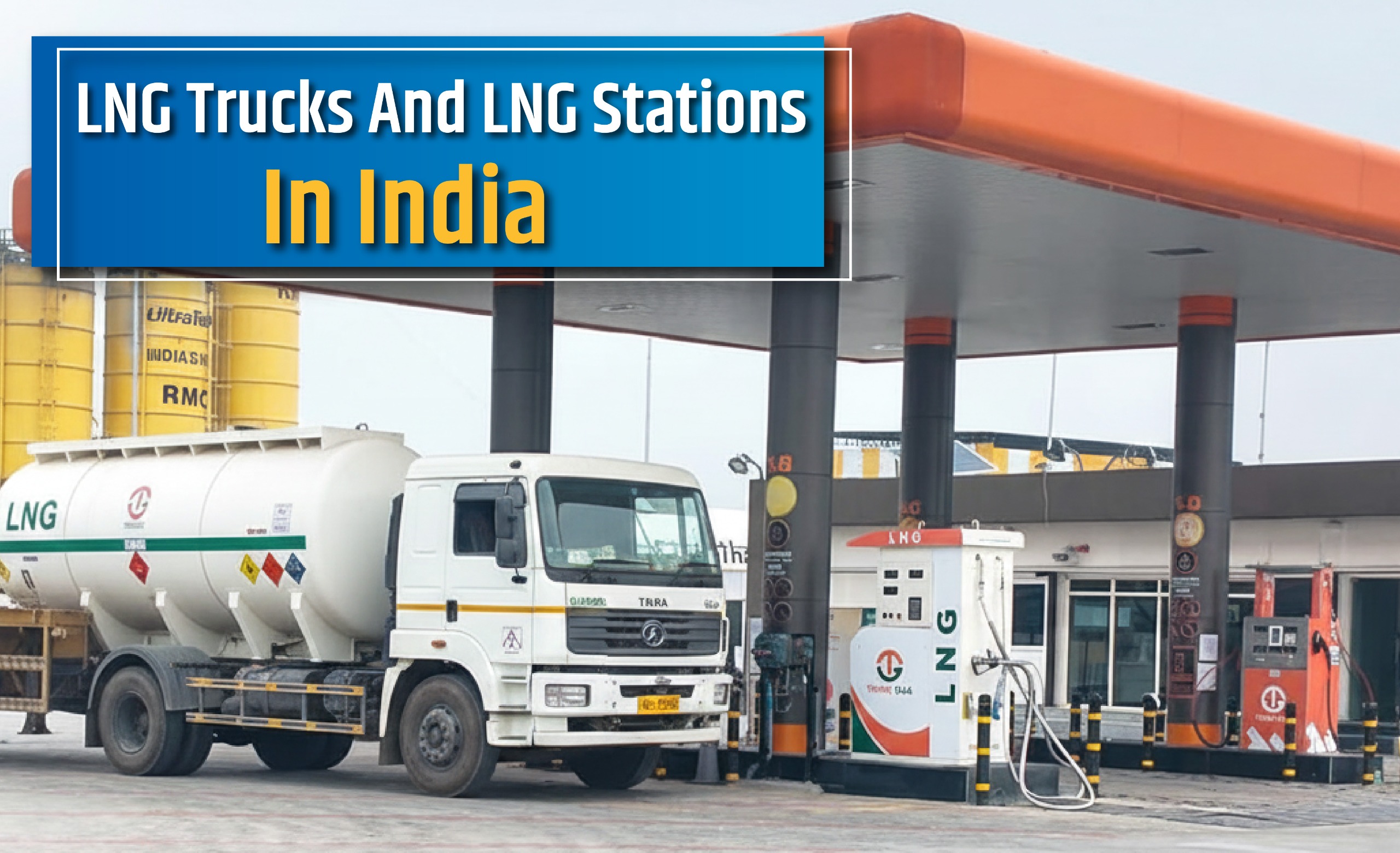
India’s trucking and logistics industry is going through a change. The people who own the trucks are having to think about what kind of fuel they want to use. This is because diesel is getting more expensive and the government is making rules to reduce pollution. The people who get goods delivered also want the trucking companies to be more environmentally friendly. Diesel is still the best for power. It is getting too expensive and it is bad for the environment so the trucking companies are looking for other options for the trucks. The trucking and logistics industry, in India is looking at fuel options because diesel is not the best choice anymore.
LNG, which is Liquefied Natural Gas is becoming a choice for trucks that travel long distances. LNG trucks are now a reality. So are the LNG refueling stations. These LNG trucks and stations are actually working in India on the highways and in the areas where a lot of goods are transported. The LNG trucks are an option, for long-haul trucking and LNG refueling stations are supporting the LNG trucks.
Using LNG trucks, LNG stations, and their on-the-ground importance for Indian fleet owners in a straightforward, intelligible, and professional tone is what this blog does.
LNG means Liquefied Natural Gas. It is a gas that has been cooled to around -162°C, which turns it into a liquid. The natural gas in a liquid form takes up much less space than in a gas form, and this is the reason why it is very easy to store and transport over long distances.
This small storage requirement for the LNG is the primary reason that it is so suitable for heavy-duty commercial vehicles and long-haul trucks. With LNG, the trucks are capable of covering long distances without the need for frequent refueling, and this is a very important factor for the operations on highways.
Fleet operators usually consider LNG against diesel and CNG before making a choice.
Hence, due to this combination, LNG is slowly gaining acceptance in the areas of intercity and interstate trucking.
LNG trucks come with engines that either completely rely on natural gas or operate sometimes as dual-fuel systems. From the point of view of a driver, the driving experience is like that of a diesel truck in terms of power and torque.
LNG Truck’s Main Parts
Currently, the majority of LNG trucks in India are capable of covering 800 to 1,200 kilometers on a single fill of gas, thus making them appropriate for long-haul routes on the highway.
1. Lower Fuel Costs
One of the main costs of managing a fleet is an expense fleet owners cannot avoid. Depending on the price of fuel and the route, LNG is usually cheaper than diesel by 20-30% on a per-kilometer basis. This is quite a difference that can lead to huge annual savings for the trucks doing long distances every month.
2. Cleaner and BS-VI Friendly
LNG trucks emit:
These benefits help fleet owners comply with BS-VI emission norms and prepare for future environmental regulations.
3. Longer Range Than CNG Trucks
While CNG trucks work well for city and short-distance operations, they struggle on highways due to limited range. LNG solves this problem by allowing trucks to travel longer distances without refueling.
This makes LNG suitable for:
4. Better Driver Comfort
LNG engines are quieter than their diesel counterparts and vibrate less. This lowers the driver’s fatigue caused by long trips and adds up to the overall driver comfort.
In spite of the benefits, the adoption of LNG still presents some difficulties that need to be weighed by fleet owners.
Limited LNG Station Availability
The network of LNG fuel stations in the country is still very much in the process of being set up. LNG refueling stations are situated only along the main routes, while diesel pumps are everywhere.
Before switching to LNG operations, fleet operators need to do very careful route planning.
Higher Initial Vehicle Cost
LNG trucks cost more than diesel ones at the time of purchase. Nevertheless, the return on this investment is made through lower fuel expenses, which, depending on the user's activity, could take anywhere between two and four years to cover.
Training and Safety Requirements
LNG is stored at extremely low temperatures, hence the need for proper training of drivers and technicians. With the correct procedures, LNG operations are safe and trustworthy.
India is doing great work and has made a lot of progress in the LNG sector, which is the reason why the country has been pushing towards a gas-based economy. The government is collaborating with private companies that operate fuel stations, ports, and industries to set up various LNG stations across the country. Most of these developments are taking place along national highways, main freight corridors, and routes that connect jetties to the city and major industrial zones. Such an approach helps the availability of LNG to coincide with the route for long-haul trucks where diesel consumption is the highest.
The LNG fuel stations are completely different from the conventional diesel and petrol pumps. LNG is moved to these places with special cryogenic tankers that are designed for the purpose and then stored in insulated tanks, where the temperature is very low. The fuel is then dispensed into LNG trucks using safe and tested dispensing systems. Although the technology is very advanced and complicated, people who get refueled are safe, efficient, and in many cases faster than CNG refueling.
India is developing several LNG corridors gradually to promote long-distance freight movement with cleaner fuel. Among the crucial routes are the Delhi-Mumbai Industrial Corridor, Western Dedicated Freight Corridor, coastal port connectivity routes, and major industrial and manufacturing centers in South India. It is anticipated that these corridors will see a quicker installation of LNG fuel stations, along with an increase in freight volumes and adoption of cleaner fuels.
The Indian government has an ambitious target of raising the percentage of natural gas in the country’s energy mix from about 6 to 15 percent. To that end, it is working to increase the capacity of LNG import terminals and making sure that the overall infrastructure for securing, moving, and using LNG as a fuel is in place along with the terminal upgrades. These measures provide long-term confidence to fleet owners who are evaluating LNG as a viable alternative to diesel.
LNG trucks have the closest compatibility to produce premium fleets that deal with long-distance highway transport where LNG supply can be assured. They are brilliantly inviting for the owners of fleets whose main concern is cutting down fuel expenses and keeping the environmental regulations from being violated at the same time. Nevertheless, CNG or electric trucks may still be more suitable for the applications of short urban routes or last-mile delivery. LNG is really the best solution for long-haul segments ruled by diesel and offers the highest operational range.
TruckMitr is a practical trucking insights provider that, among other things, enables better route and fleet planning and helps companies adapt to LNG. Along with evolving technologies in fuel options and vehicles, fleet management is becoming more and more complicated. TruckMitr helps fleet owners and transporters with practical trucking insights, more efficient route and fleet planning, and adaptation to new technology like LNG.
Access to reliable information allows transporters to make decisions that are both confident and cost-effective.
LNG is not a stopgap measure but a transition fuel that gradually leads the way from diesel to future zero-emission technologies. It is expected that with the expanding LNG infrastructure and the gradually decreasing vehicle costs, the adoption of LNG in long-haul segments will steadily grow. Fleet owners who make long-term plans will be able to benefit from the cost-efficient, high-performance, and eco-friendly characteristics of LNG trucks.
The natural gas (LNG) trucks, along with the LNG fuel stations, are gradually taking a very important part in determining the future of long-haul trucking in India. The infrastructure is not fully developed yet, but there are already visible benefits to the fleets that are operating on the right routes. For the trucking firms that are heavily relying on diesel for their long-haul operations, it is the perfect moment to learn about LNG, evaluate the situation, and move slowly towards the more environmentally friendly and technologically advanced trucking.

Elevating The Indian Trucking Ecosystem
Read More
How To Collaborate With Us And A List Of All Services We Cater To
Read More
Driving India Forward How Truck Drivers Power the Economy
Read More
From Rugged Beginnings to Digital Frontiers The Tata Motors Legacy in Indian Trucking
Read More
On-the-Go Repairs and Mobile Truck Maintenance Services in India
Read More
Safer Roads Ahead The Transformation of India’s Trucking Industry
Read More
The Future of Truck Driving A Road to Opportunity
Read More
How Electric Trucks Can Power Up Your Business A Look at the Benefits
Read More
Top 10 Health Tips for Long-Haul Truck Drivers
Read More
Tata Motors Gears Up for Digital Transformation with Fleet Verse
Read More
Tata Motors Reports Strong Sales Performance in May 2024
Read More
The Importance of Mental Health for Truck Drivers A Critical Look
Read More
The Rising Role of Women in Truck Driving in India
Read More
Emergency Preparedness for Truck Drivers
Read More
Adapting to Changing Weather Patterns: Challenges for Indian Trucking
Read More
Revolutionizing Trucking with Blockchain
Read More
Truck Customisation Trends: Merging Functionality with Personal Style
Read More
Celebrating Festivals on the Road: How Truckers Stay Connected to Home
Read More
Rural Empowerment Through Better Trucking Networks
Read More
Health on the Go: Wellness Solutions for Long-Haul Drivers
Read More
How Trucking Keeps India’s Small Businesses Moving Forward
Read More
The Influence of Bollywood on Indian Trucking Culture
Read More
Youth and Trucking: Inspiring the Next Generation of Drivers
Read More
Innovative Truck Financing Options: Making Ownership Accessible
Read More
The Role of AI in Streamlining Fleet Management
Read More
Trucking Beyond Cargo: Supporting Disaster Relief and Humanitarian Efforts
Read More
Life on the Highways: Stories of Resilience from Indian Truck Drivers
Read More
10 Summer Maintenance Tips to Keep Your Truck Running Smoothly
Read More
The Importance of Regular Tyre Checks for Safety and Fuel Efficiency
Read More
Common Truck Breakdowns and How to Prevent Them
Read More
Understanding Truck Warning Lights: What They Mean
Read More
Future of Trucking in India: Trends to Watch in 2025 & Beyond
Read More
How to Prepare Your Truck for the Monsoon Season?
Read More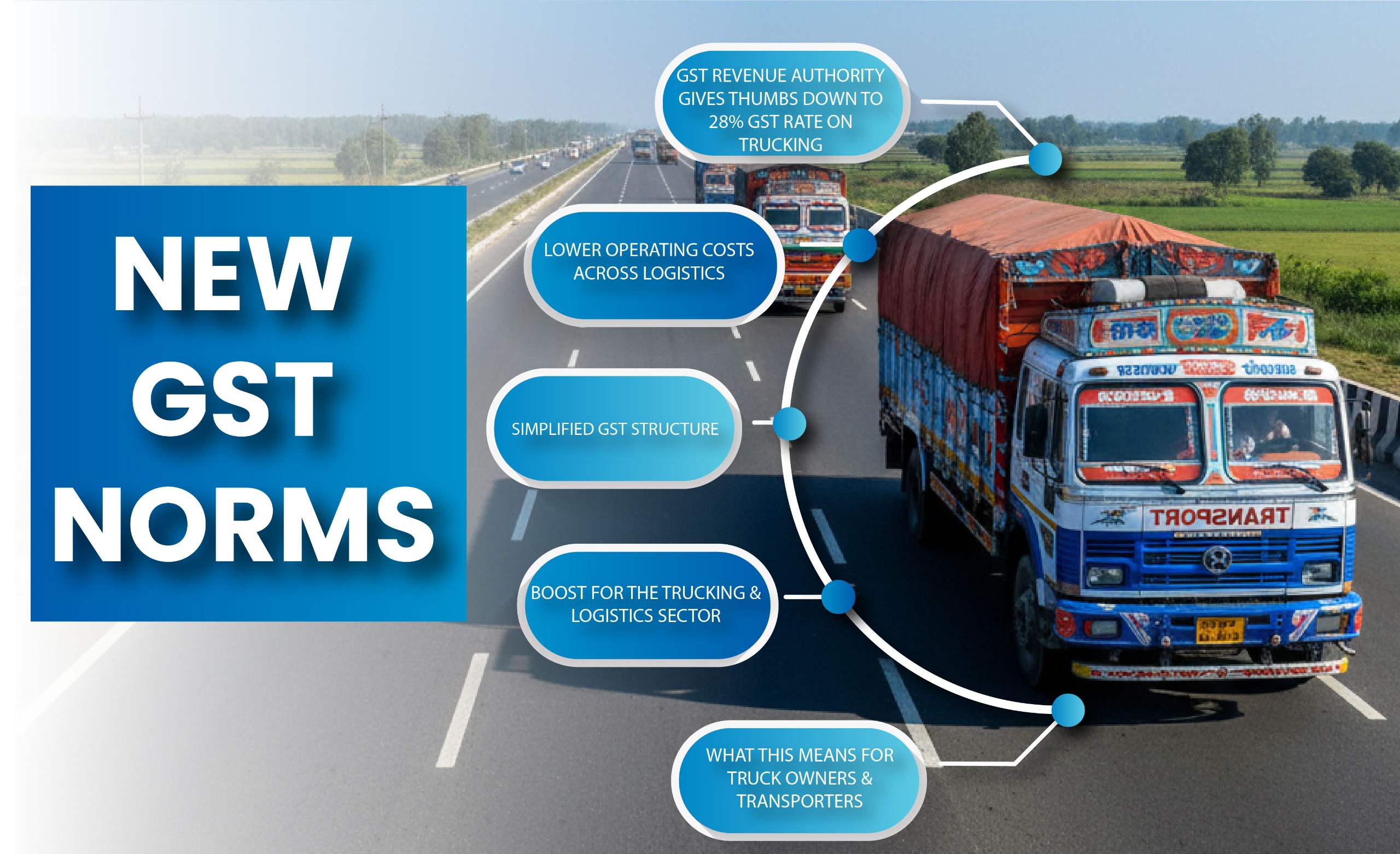
GST Reforms 2025
Read More
10 Smart Fuel-Saving Tips for Everyday Trucking
Read More
Why Preventive Maintenance Saves Money
Read More
Driving Tips for Highway Safety
Read More
Common Truck Maintenance Mistakes
Read More
Importance Of Good Sleep
Read More
LNG Trucks and LNG Stations in India
Read More
Driving a Greener Future
Read More
Future Projections of Driving Training Schools in India’s Growing Trucking Industry
Read More
Impact of AI on the Trucking Industry
Read More
India’s Growing Truck Driver Shortage
Read More
Practical Tips to Maintain Comfort Inside the Truck Cabin
Read More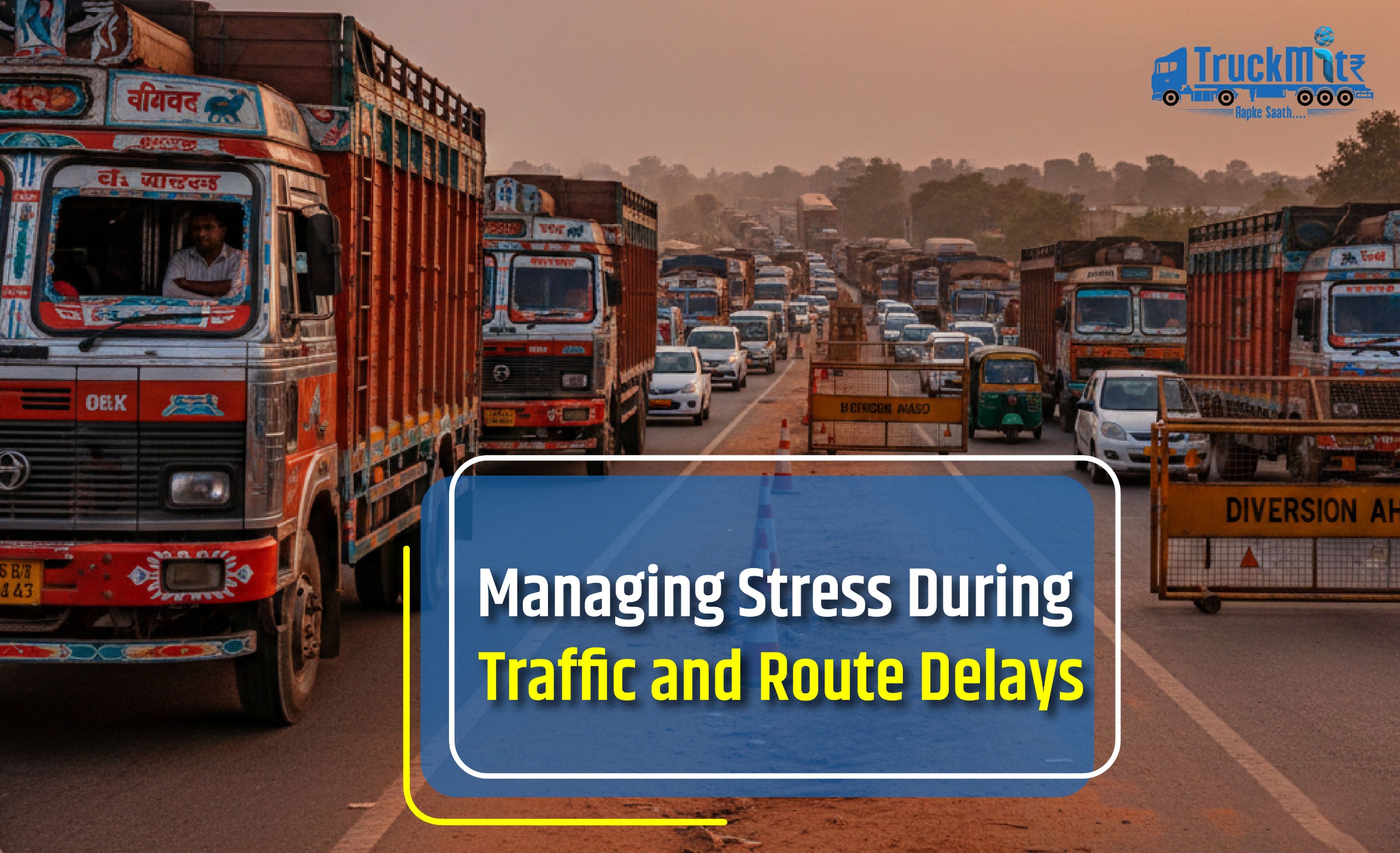
Managing Stress During Traffic and Route Delays
Read More
Typical End-of-Day Practices After Completing a Driving Shift
Read More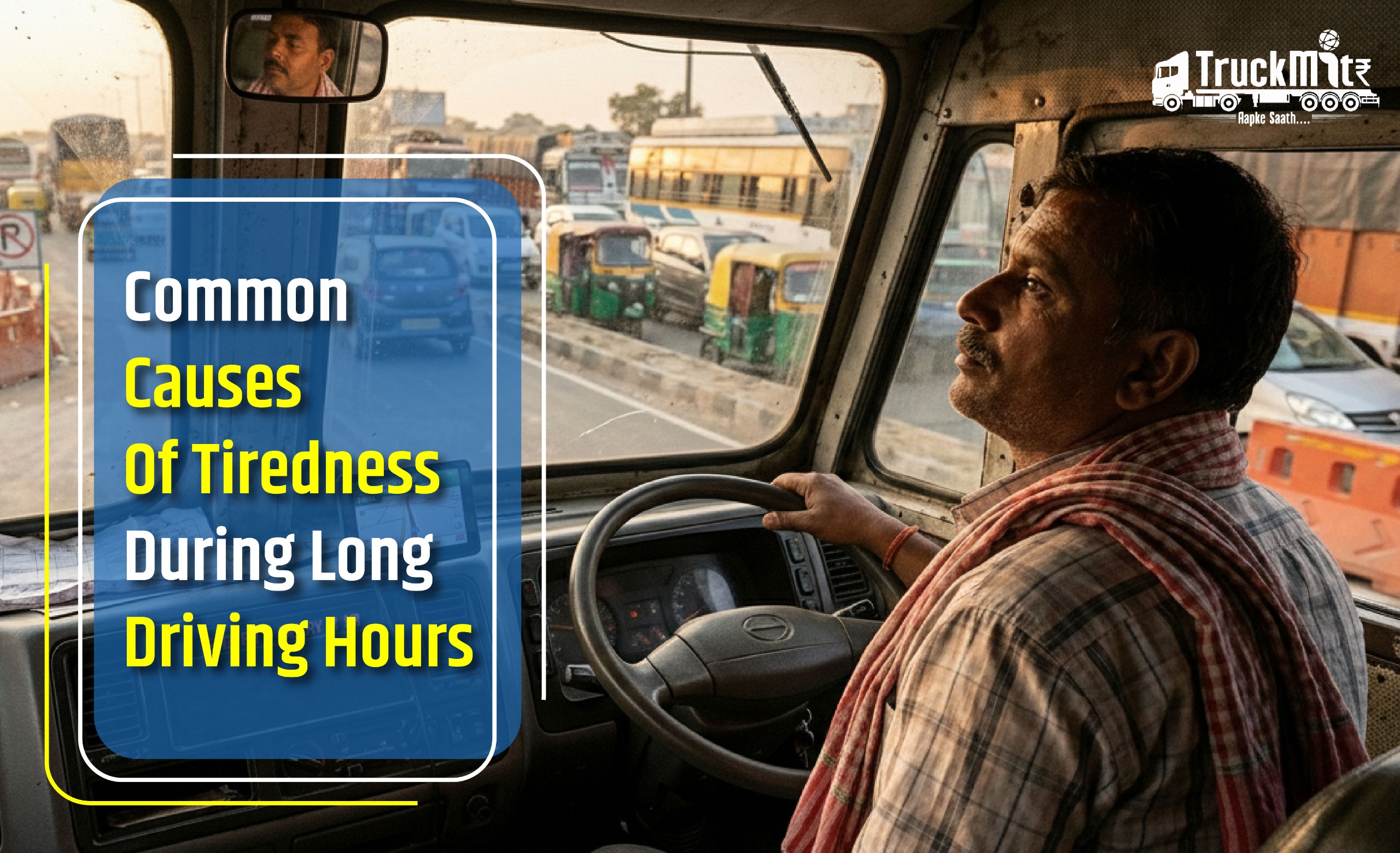
Common Causes of Tiredness During Long Driving Hours
Read More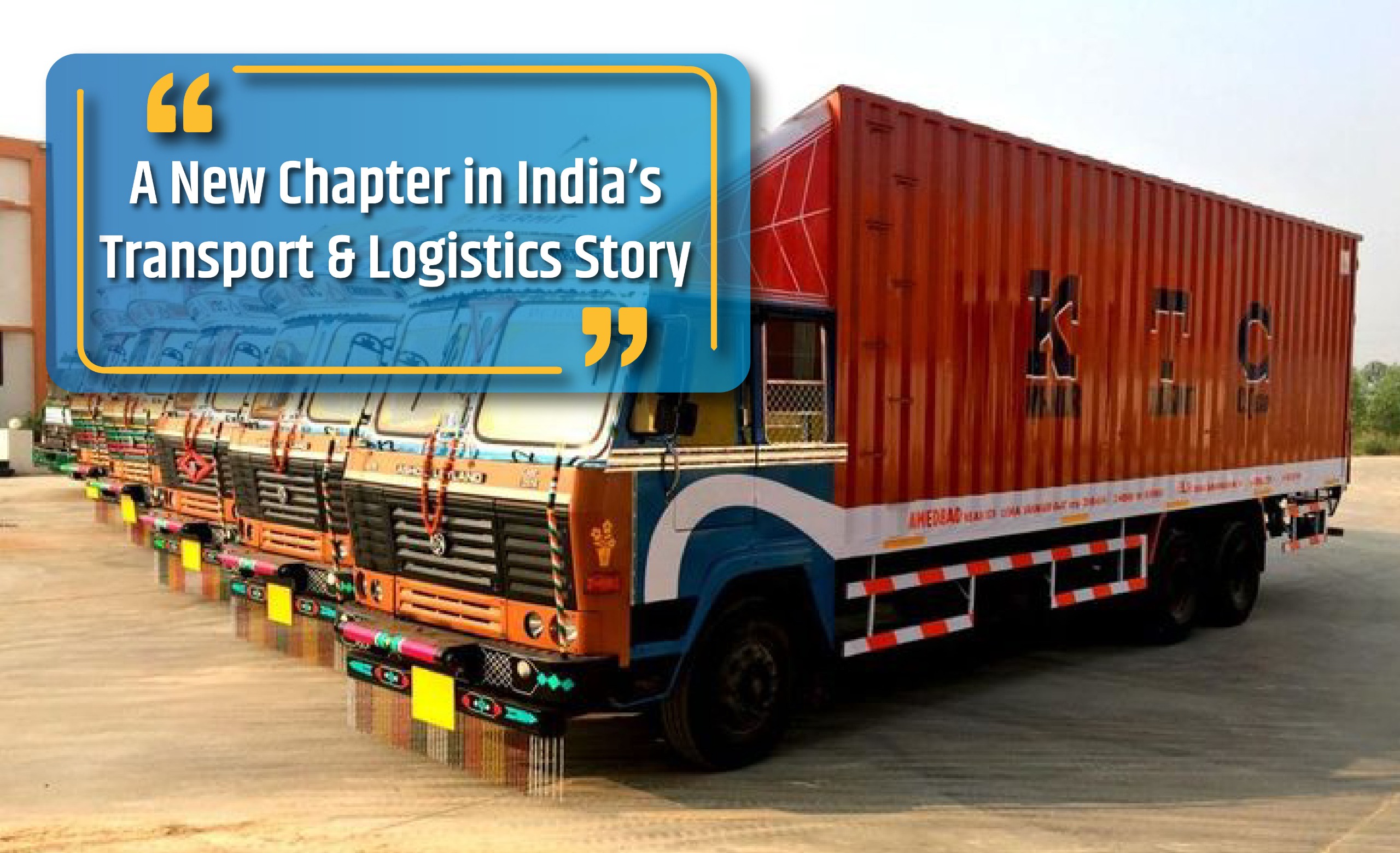
A New Chapter in India’s Transport and Logistics Story
Read More
Impact of AI on Career Growth of Truck Drivers
Read More
Early Signs of Fatigue Drivers Commonly Experience on the Road
Read More
Common Learnings for First-Time Truck Owners
Read More