×
×

For truck drivers, sleep is something to deal with around work rather than something that is a primary part of it. Long routes, tight delivery schedules, night driving and unpredictable stoppages make proper rest difficult. Over time many drivers become accustomed to not sleeping as much as they should.
Good sleep is not a privilege for truck drivers, but it is directly linked to road safety, physical health, mental alertness and long-term earning ability. A well-rested driver is more focused, faster to react, better to take decisions and better able to deal with pressure on the road.
Driving heavy vehicle for hours require constant attention. The brain has to process traffic movement, road signs, weather changes and unexpected behaviour from other road users. Sleep is what resets the brain and makes it function properly.
When drivers fail to get enough sleep, the reaction time slows down. Judgement becomes less dependable. Small errors such as judging distance, failing to see a sign or drifting out of lane slightly are more likely to occur. On highways, these small mistakes can cause major accidents.
Lack of sleep also impacts mood. Which often results in aggressive driving, unnecessary overtaking or a rash decision which increases the risk of accident.
Truck drivers have issues when it comes to get proper sleep. Rest stops can be noisy, poorly lit and/or unsafe. Depending on routes and delivery windows, sleep schedules change. Some drivers switch between driving during the day and night, which disrupts the natural rhythm of the body.
Drivers may force themselves to drive longer hours so that they can complete trips quicker or take on extra work to earn more incentives. Over time, this creates a cycle where poor sleep becomes the norm despite the continued build-up of its effects remaining unnoticeable.
Understanding these challenges is important but accepting poor sleep as unavoidable is dangerous. Small changes can make a big difference.
Sleep deprivation is one of the main hidden causes of road accidents. A tired driver may suffer from micro-sleeps, which are brief periods of time in which the brain will shut down without warning. Even a few seconds of lost attention at highway speed can result in death.
Beyond accidents, poor sleep has long-term impacts on health. It leads to risk of high blood pressure, heart disease, diabetes and weight gain. It also makes the immune system weaker, so drivers become more susceptible to illness. These health issues eventually impact on the earning capacity and quality of life overtime.
Good sleep is not only about preventing accidents today. It is about continuing a driving career for many years and well-being.
Sleep improvement begins with consistency and intention. Drivers should attempt to keep a regular sleep time as much as possible. Even on rotating routes, if there is a predictable routine before going to sleep, this helps the body to relax. Simple habits such as avoiding heavy meals just before going to sleep, limiting caffeine intake in the hours leading up to sleeping and limiting phone use before going to sleep can help to improve sleep quality.
Creating a sleep space in the cabin that is comfortable is also important. Clean bedding, good ventilation, preventing excess light or noise could help to make rest more effective, even in short breaks.
Most important, drivers should listen to their bodies. If fatigue sets in, to push through it is not strength. It is risk. Taking a short rest can avoid much bigger problems in the future.
Rest breaks are a safety requirement. Having planned routes with scheduled breaks allows drivers to recharge physically and mentally. Even taking short breaks to stretch, hydrate and rest eyes helps to reduce tiredness.
Transporters and fleet owners should also support drivers. Realistic trip planning, fair timelines and respect for rest hours promote safer driving behaviour. When sleep is integrated into the job, instead of an obstacle to productivity, things are better for everyone.
The quality of sleep is closely related to mental health. Stress, anxiety about payments, uncertainty about a job, or responsibility for a family is often what takes drivers on the road. These thoughts make it more difficult to be relaxed and fall asleep.
Talking openly about stress, having close connexions with family, and working with trusted employers helps to reduce stress on the mind. When a driver feels safe and supported, sleep improves naturally.
By linking drivers with verified transporters and clarity of job details, TruckMitr helps eliminate the element of uncertainty regarding routes, payments and expectations. This clarity helps drivers plan their trips better and avoid any last-minute stress that often leads to skipped rest.
For transporters and fleet owners, TruckMitr offers the opportunity to access verified driver profiles and structured hiring. This helps to create a more professional work environment in which safety and well-being is taken seriously as opposed to being an afterthought.
Good sleep is one of the most powerful tools that a truck driver should have. It costs nothing, but it saves lives, vehicles and livelihoods. Treating sleep as a necessity instead of an option alters the way drivers approach every trip.
The road will always not be without difficulties. Traffic, deadlines and long distances are all part of the job. But a well-rested driver is better equipped to tackle all of them with patience, focus, and confidence.
In the long term, drivers who makes sleep a priority drives safe, earn more, and have a healthy career. Good sleep is not the time lost. It is an investment for safety, health and professional success.

Elevating The Indian Trucking Ecosystem
Read More
How To Collaborate With Us And A List Of All Services We Cater To
Read More
Driving India Forward How Truck Drivers Power the Economy
Read More
From Rugged Beginnings to Digital Frontiers The Tata Motors Legacy in Indian Trucking
Read More
On-the-Go Repairs and Mobile Truck Maintenance Services in India
Read More
Safer Roads Ahead The Transformation of India’s Trucking Industry
Read More
The Future of Truck Driving A Road to Opportunity
Read More
How Electric Trucks Can Power Up Your Business A Look at the Benefits
Read More
Top 10 Health Tips for Long-Haul Truck Drivers
Read More
Tata Motors Gears Up for Digital Transformation with Fleet Verse
Read More
Tata Motors Reports Strong Sales Performance in May 2024
Read More
The Importance of Mental Health for Truck Drivers A Critical Look
Read More
The Rising Role of Women in Truck Driving in India
Read More
Emergency Preparedness for Truck Drivers
Read More
Adapting to Changing Weather Patterns: Challenges for Indian Trucking
Read More
Revolutionizing Trucking with Blockchain
Read More
Truck Customisation Trends: Merging Functionality with Personal Style
Read More
Celebrating Festivals on the Road: How Truckers Stay Connected to Home
Read More
Rural Empowerment Through Better Trucking Networks
Read More
Health on the Go: Wellness Solutions for Long-Haul Drivers
Read More
How Trucking Keeps India’s Small Businesses Moving Forward
Read More
The Influence of Bollywood on Indian Trucking Culture
Read More
Youth and Trucking: Inspiring the Next Generation of Drivers
Read More
Innovative Truck Financing Options: Making Ownership Accessible
Read More
The Role of AI in Streamlining Fleet Management
Read More
Trucking Beyond Cargo: Supporting Disaster Relief and Humanitarian Efforts
Read More
Life on the Highways: Stories of Resilience from Indian Truck Drivers
Read More
10 Summer Maintenance Tips to Keep Your Truck Running Smoothly
Read More
The Importance of Regular Tyre Checks for Safety and Fuel Efficiency
Read More
Common Truck Breakdowns and How to Prevent Them
Read More
Understanding Truck Warning Lights: What They Mean
Read More
Future of Trucking in India: Trends to Watch in 2025 & Beyond
Read More
How to Prepare Your Truck for the Monsoon Season?
Read More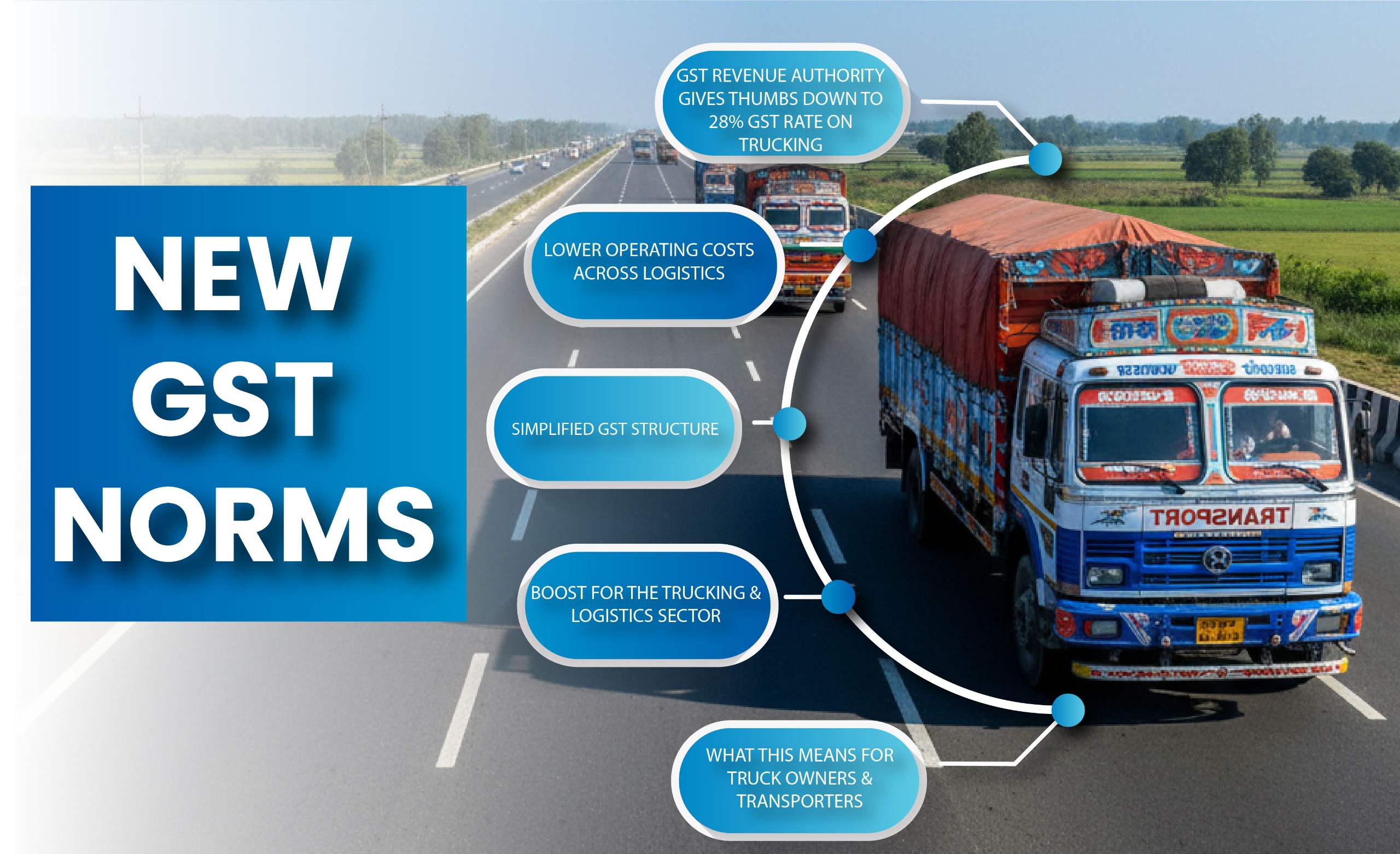
GST Reforms 2025
Read More
10 Smart Fuel-Saving Tips for Everyday Trucking
Read More
Why Preventive Maintenance Saves Money
Read More
Driving Tips for Highway Safety
Read More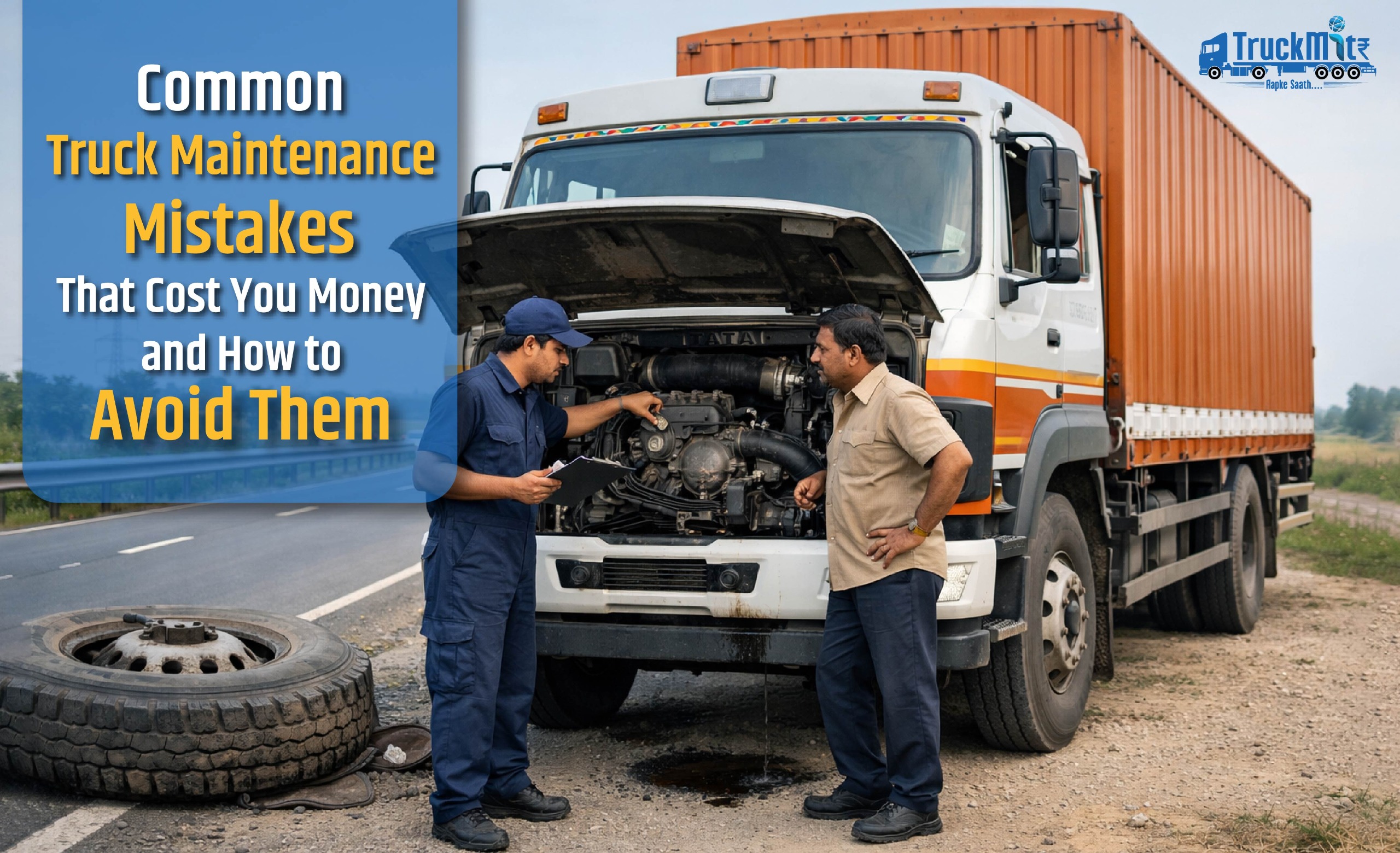
Common Truck Maintenance Mistakes
Read More
Importance Of Good Sleep
Read More
LNG Trucks and LNG Stations in India
Read More
Driving a Greener Future
Read More
Future Projections of Driving Training Schools in India’s Growing Trucking Industry
Read More
Impact of AI on the Trucking Industry
Read More
India’s Growing Truck Driver Shortage
Read More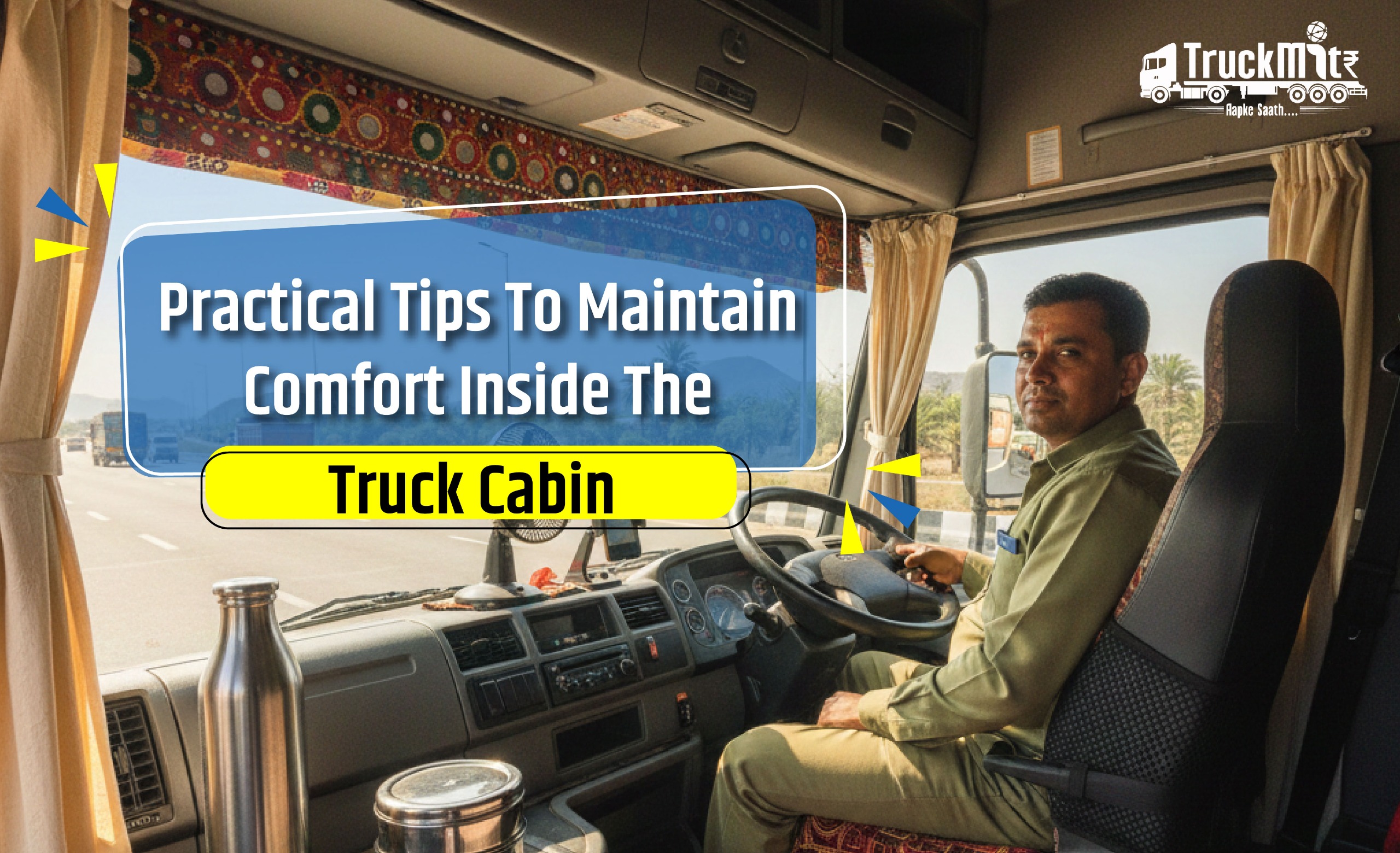
Practical Tips to Maintain Comfort Inside the Truck Cabin
Read More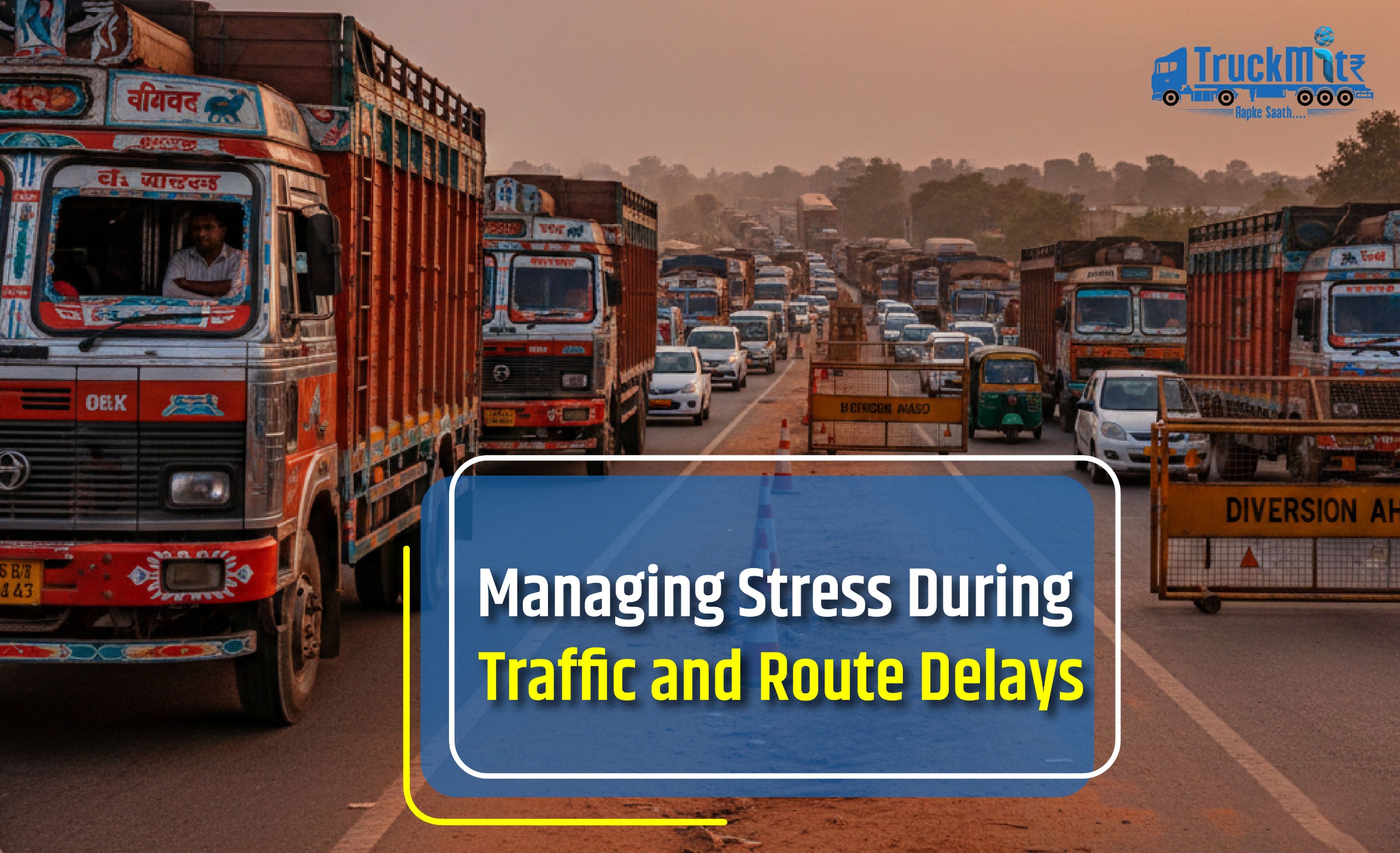
Managing Stress During Traffic and Route Delays
Read More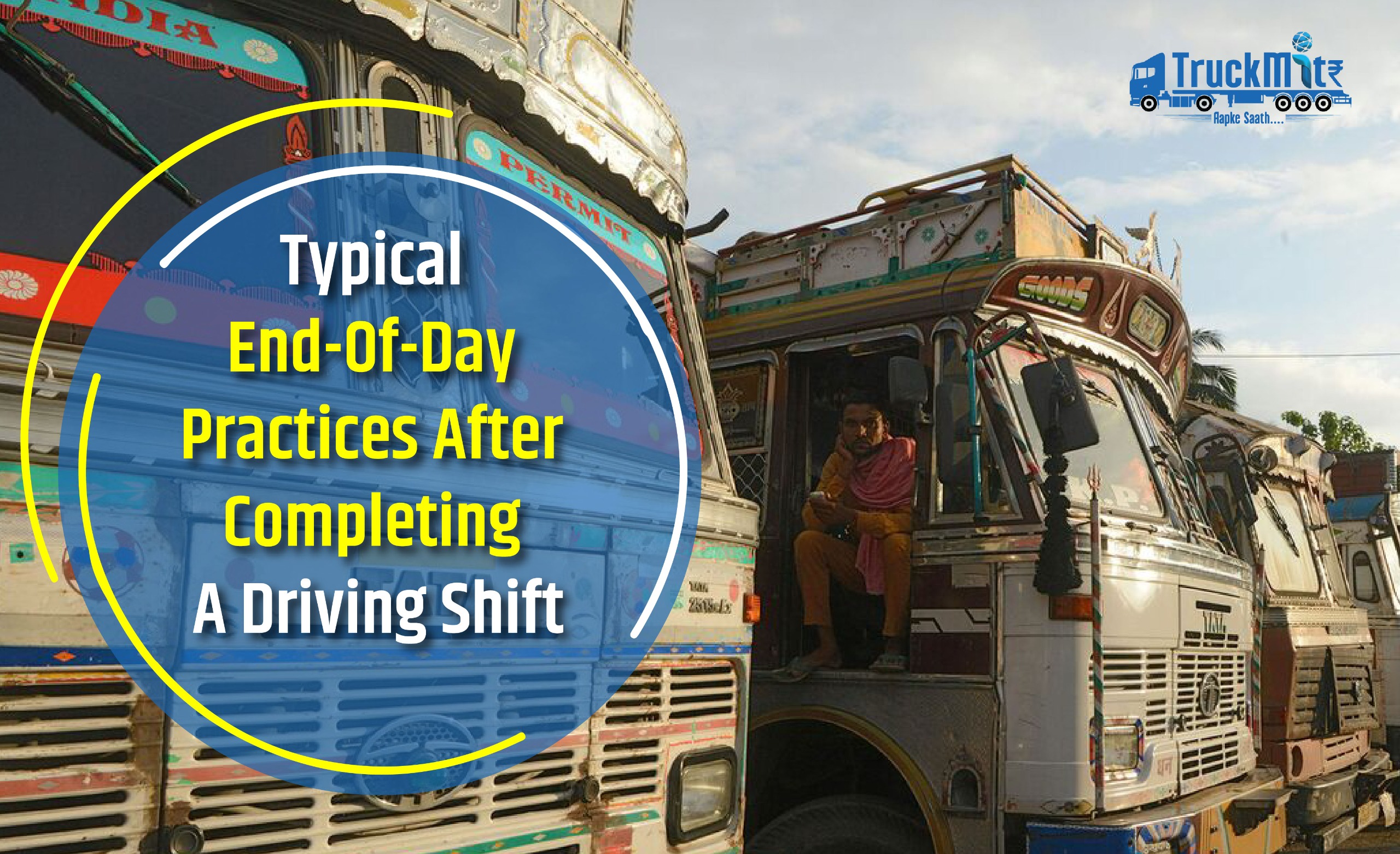
Typical End-of-Day Practices After Completing a Driving Shift
Read More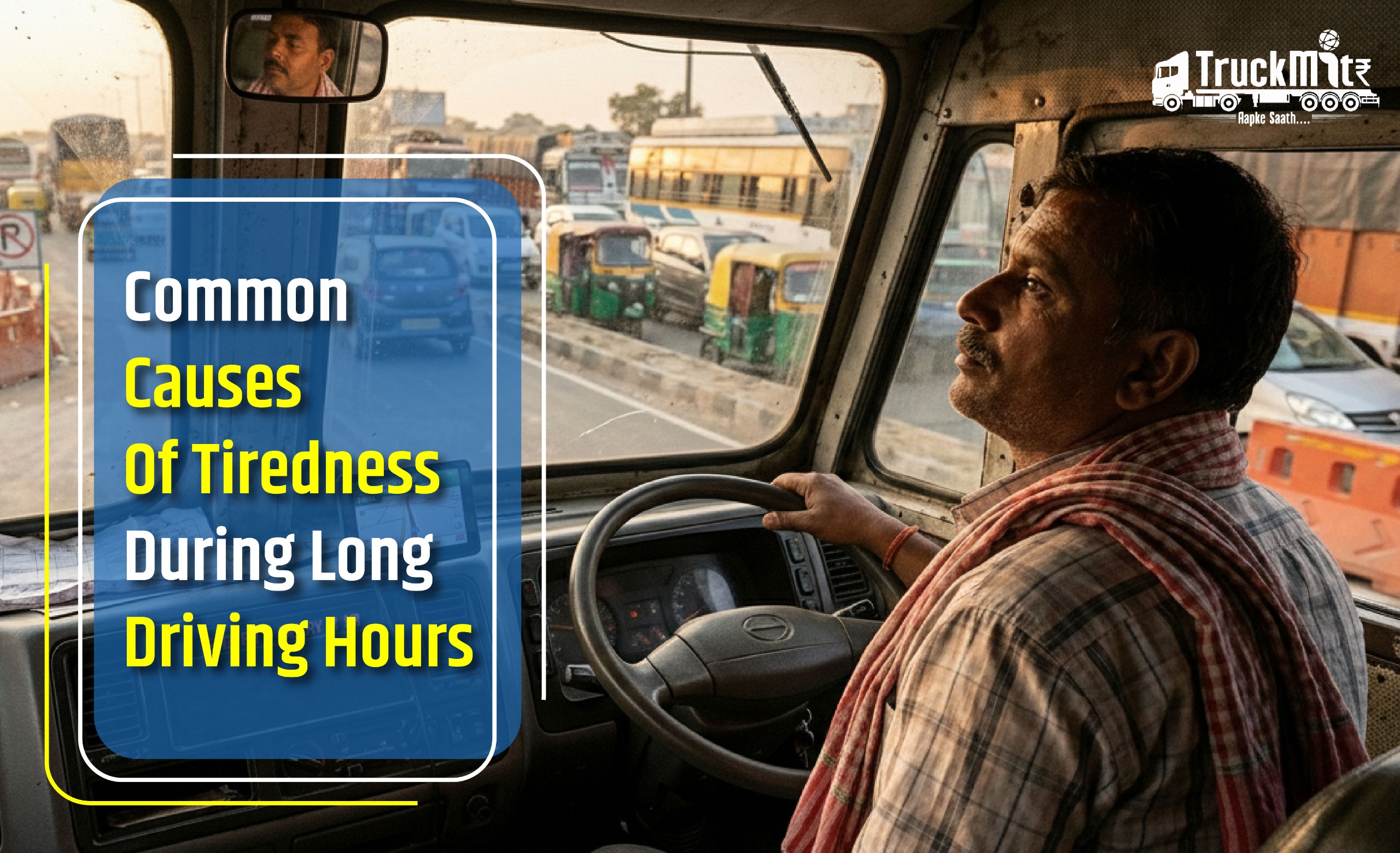
Common Causes of Tiredness During Long Driving Hours
Read More
A New Chapter in India’s Transport and Logistics Story
Read More
Impact of AI on Career Growth of Truck Drivers
Read More
Early Signs of Fatigue Drivers Commonly Experience on the Road
Read More
Common Learnings for First-Time Truck Owners
Read More