×
×
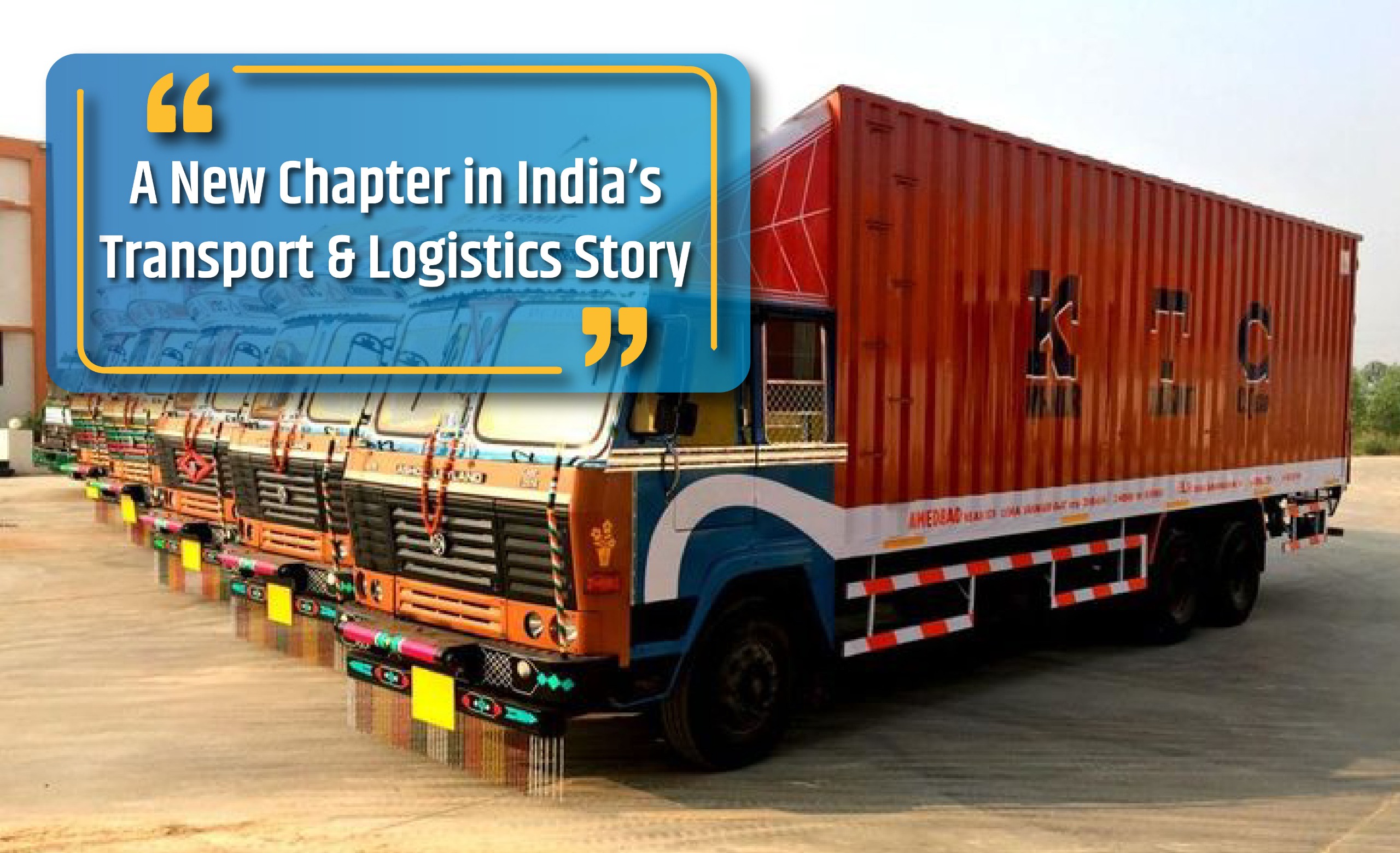
The Indian transportation system has maintained its vital role in supporting economic growth throughout its history. Trucks deliver products to urban centers and rural communities and manufacturing sites through their daily operations. Today, most trucks still use diesel fuel, which results in environmental harm and higher transportation costs and requires more diesel fuel supply.
The current situation is undergoing a transformation through the introduction of electric trucks, which people refer to as EV trucks. The system functions as an environmentally friendly solution which produces no sound while delivering freight transportation services with exceptional efficiency. Businesses can create advanced logistics systems which enhance their operational capacity and environmental sustainability through the environmental advantages of EV trucks.
The introduction of electric trucks establishes the starting point for India to begin its transition toward a new era of trucking operations.
Transport companies used to make truck purchase decisions based only on the truck's initial cost. Nowadays, companies need to evaluate their future costs, which will determine their operational costs over time.
Companies that buy EV trucks need to pay extra money upfront, but they will achieve substantial cost savings throughout the duration of their ownership. In most locations, electricity prices are lower than diesel prices. The simplified design of EV trucks results in lower service costs because they lack intricate engines and oil change requirements and most machine components.
The total cost of owning an EV truck decreases throughout its operational life compared to a diesel truck. This makes EV trucks a smart financial decision for companies that think long-term.
The introduction of electric vehicle trucks has created an incentive for transportation companies to develop more precise methods of scheduling their operations and planning their routes. Companies are building charging facilities at their warehouses and distribution facilities and logistics centers because electric vehicle trucks require battery charging. The design of delivery paths matches the battery range and the availability of charging stations.
The system enables better organizational structure for transport operations because it delivers better results to both drivers and other involved parties. Companies need to develop their operational activities through two specific methods which involve establishing efficient fuel usage practices and effective management systems for their vehicle fleets. The construction of new highway charging stations will provide essential support for electric truck operations which will improve their ability to operate across extended distances.
Truck drivers benefit from EV trucks because they enhance their work experience. Electric motors operate with silent and smooth performance. The technology provides complete noise and vibration elimination which reduces the physical challenges drivers face during extended driving periods. The system helps drivers to operate their vehicles by reducing mechanical issues and breakdowns. The system provides drivers with better safety because they can focus on driving through its simplified design. Over time, EV trucks can contribute to better health, comfort, and job satisfaction for drivers.
India relies on imported fuel to satisfy its transportation requirements. The economic system becomes vulnerable to fluctuations in global oil prices because of this dependency. EV trucks operate on electricity, which countries can generate through their own renewable energy sources that include solar and wind power. The expansion of India's renewable energy sector will enable EV trucks to decrease the nation's use of imported fuel resources.
The national energy security improvement together with the decreased fuel expenditures establishes this transition.
The rise of electric vehicle trucks is establishing fresh industrial sectors while generating job vacancies. Charging station companies are expanding their operations at a rapid pace. The battery manufacturing sector, together with battery recycling facilities, is experiencing significant growth. Numerous cities are establishing service centers that focus on electric vehicle repairs.
The transport industry is experiencing employment growth through these developments while innovation activities are being stimulated. The EV truck ecosystem has developed into a significant new business sector for companies in India.
Currently, cities use most electric vehicles, which operate as delivery trucks for short-distance transportation. The design of urban areas makes them ideal for electric vehicle trucks because their charging stations can be installed at short distances. The development of battery technology together with the expansion of charging station networks will enable electric vehicle trucks to start operating on intercity and long-distance routes.
Electric vehicle trucks will operate in urban areas to deliver products while also transporting shipments between different states and industrial areas.
The second-hand market for electric vehicle trucks will develop in the same way as it exists for diesel trucks. The resale market will emerge as more electric vehicle trucks enter the market, which will lead to their purchase by small fleet operators and individual drivers.
The operational efficiency of older electric vehicle trucks will maintain their functionality through battery replacement and upgrades.
The resale market for electric vehicle trucks will enable cost savings, which will boost their adoption throughout the entire trucking industry.
Electric vehicle special loan programs are now available through financial institutions.
Companies offer leasing and rental options, which enable businesses to make monthly payments instead of purchasing trucks. The flexible payment systems help businesses to manage their expenses because they eliminate the need to pay large sums at once.
The system enables more people to use electric trucks because it does not require them to spend large amounts of money. The financial assistance that supports EV truck deployment functions as a critical driver for technology adoption.
EV trucks come equipped with advanced digital systems, which operate as standard equipment.
The vehicle's systems monitor energy usage and battery status and driving behavior and overall vehicle state. Transport companies can use this data to improve route planning, reduce downtime, and increase efficiency.
Digital platforms like TruckMitr can connect these technologies to provide smarter fleet management solutions. The combination of electric vehicles and digital tools is making logistics more modern and efficient.
The widespread adoption of electric trucks will bring substantial reductions in air pollution across Indian urban areas. The public health advantages from cleaner air will result in decreased medical expenses. The decrease of noise pollution will create better living conditions for residents in active urban environments. The reduction of carbon emissions will serve as a climate change solution while safeguarding environmental resources.
The transportation industry will experience benefits that will extend throughout the entire population.
The process of transitioning to electric vehicles for trucks will take place through a gradual approach. Diesel trucks will continue to operate for many years alongside electric trucks. The proportion of electric vehicle trucks will rise each passing year.
Early adopters of electric vehicle trucks will obtain operational knowledge while enjoying reduced expenses.
The transition process will continue to progress because of government assistance, technological advancements, and increasing public understanding.
Electric trucks are driving a significant change in India's trucking sector because they decrease emissions and provide cost savings and an enhanced driver experience and help India achieve its sustainability objectives. The industry faces obstacles through charging infrastructure and expensive initial costs, yet they make rapid progress. The combination of advanced batteries, growing charging infrastructure, and substantial financial backing will make electric vehicles a common vehicle type on Indian highways. The transition creates fresh possibilities for TruckMitr to develop environmentally sustainable and efficient logistics solutions.
India's transportation system advances toward electric power, with electric vehicles leading the progress.

Elevating The Indian Trucking Ecosystem
Read More
How To Collaborate With Us And A List Of All Services We Cater To
Read More
Driving India Forward How Truck Drivers Power the Economy
Read More
From Rugged Beginnings to Digital Frontiers The Tata Motors Legacy in Indian Trucking
Read More
On-the-Go Repairs and Mobile Truck Maintenance Services in India
Read More
Safer Roads Ahead The Transformation of India’s Trucking Industry
Read More
The Future of Truck Driving A Road to Opportunity
Read More
How Electric Trucks Can Power Up Your Business A Look at the Benefits
Read More
Top 10 Health Tips for Long-Haul Truck Drivers
Read More
Tata Motors Gears Up for Digital Transformation with Fleet Verse
Read More
Tata Motors Reports Strong Sales Performance in May 2024
Read More
The Importance of Mental Health for Truck Drivers A Critical Look
Read More
The Rising Role of Women in Truck Driving in India
Read More
Emergency Preparedness for Truck Drivers
Read More
Adapting to Changing Weather Patterns: Challenges for Indian Trucking
Read More
Revolutionizing Trucking with Blockchain
Read More
Truck Customisation Trends: Merging Functionality with Personal Style
Read More
Celebrating Festivals on the Road: How Truckers Stay Connected to Home
Read More
Rural Empowerment Through Better Trucking Networks
Read More
Health on the Go: Wellness Solutions for Long-Haul Drivers
Read More
How Trucking Keeps India’s Small Businesses Moving Forward
Read More
The Influence of Bollywood on Indian Trucking Culture
Read More
Youth and Trucking: Inspiring the Next Generation of Drivers
Read More
Innovative Truck Financing Options: Making Ownership Accessible
Read More
The Role of AI in Streamlining Fleet Management
Read More
Trucking Beyond Cargo: Supporting Disaster Relief and Humanitarian Efforts
Read More
Life on the Highways: Stories of Resilience from Indian Truck Drivers
Read More
10 Summer Maintenance Tips to Keep Your Truck Running Smoothly
Read More
The Importance of Regular Tyre Checks for Safety and Fuel Efficiency
Read More
Common Truck Breakdowns and How to Prevent Them
Read More
Understanding Truck Warning Lights: What They Mean
Read More
Future of Trucking in India: Trends to Watch in 2025 & Beyond
Read More
How to Prepare Your Truck for the Monsoon Season?
Read More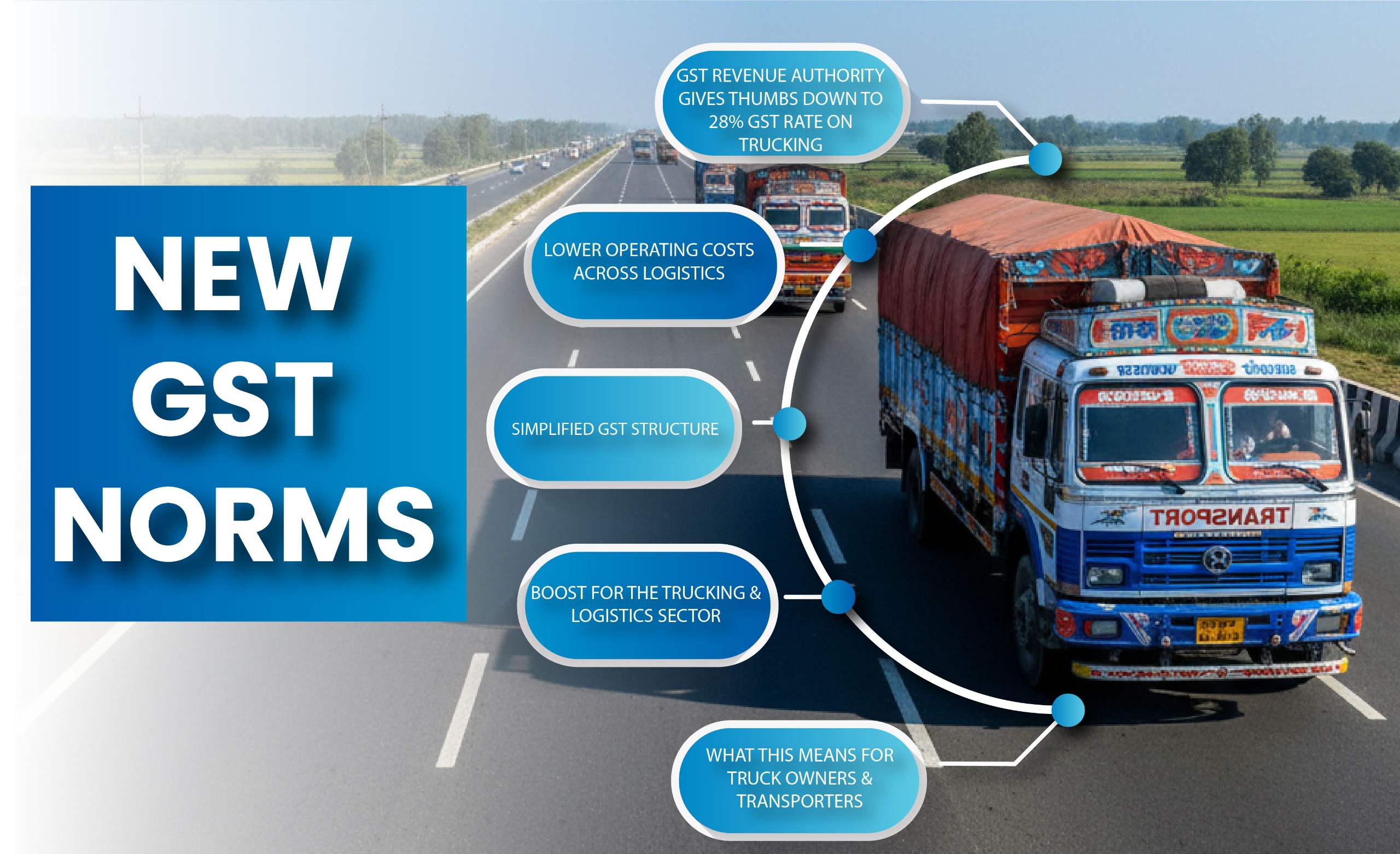
GST Reforms 2025
Read More
10 Smart Fuel-Saving Tips for Everyday Trucking
Read More
Why Preventive Maintenance Saves Money
Read More
Driving Tips for Highway Safety
Read More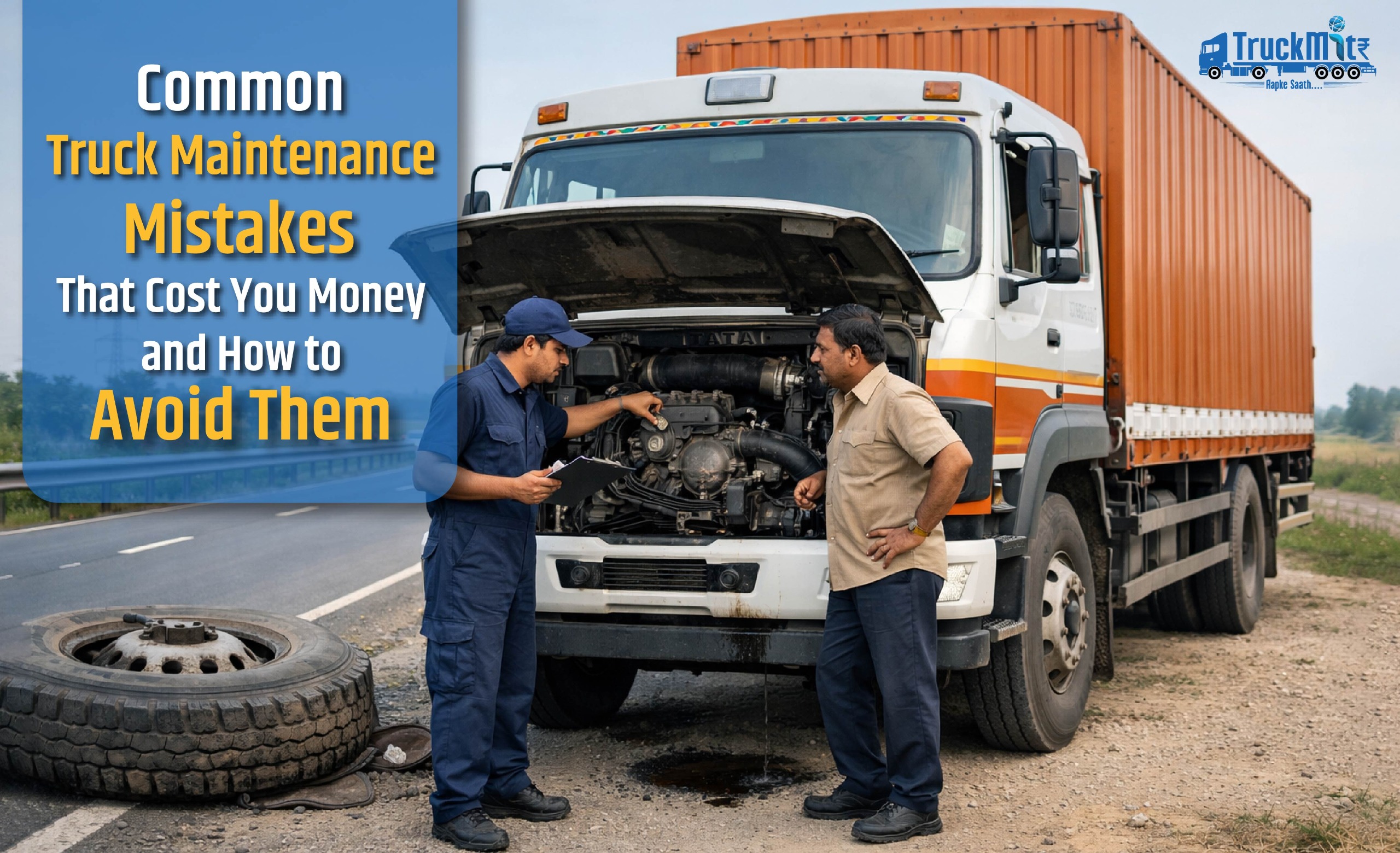
Common Truck Maintenance Mistakes
Read More
Importance Of Good Sleep
Read More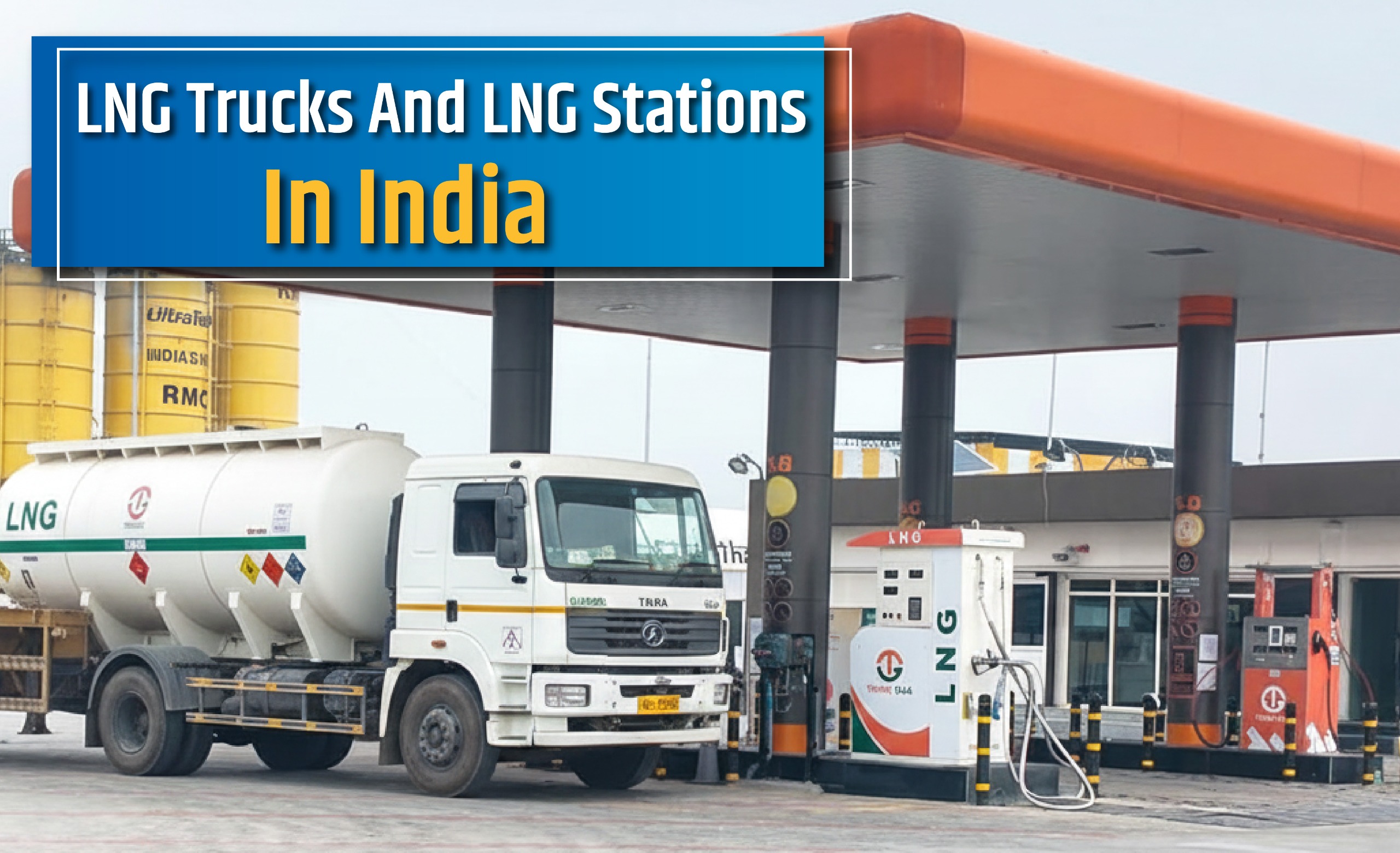
LNG Trucks and LNG Stations in India
Read More
Driving a Greener Future
Read More
Future Projections of Driving Training Schools in India’s Growing Trucking Industry
Read More
Impact of AI on the Trucking Industry
Read More
India’s Growing Truck Driver Shortage
Read More
Practical Tips to Maintain Comfort Inside the Truck Cabin
Read More
Managing Stress During Traffic and Route Delays
Read More
Typical End-of-Day Practices After Completing a Driving Shift
Read More
Common Causes of Tiredness During Long Driving Hours
Read More
A New Chapter in India’s Transport and Logistics Story
Read More
Common Learnings for First-Time Truck Owners
Read More